Skip to main content


How to Get Rid of Red Spots on Your Face
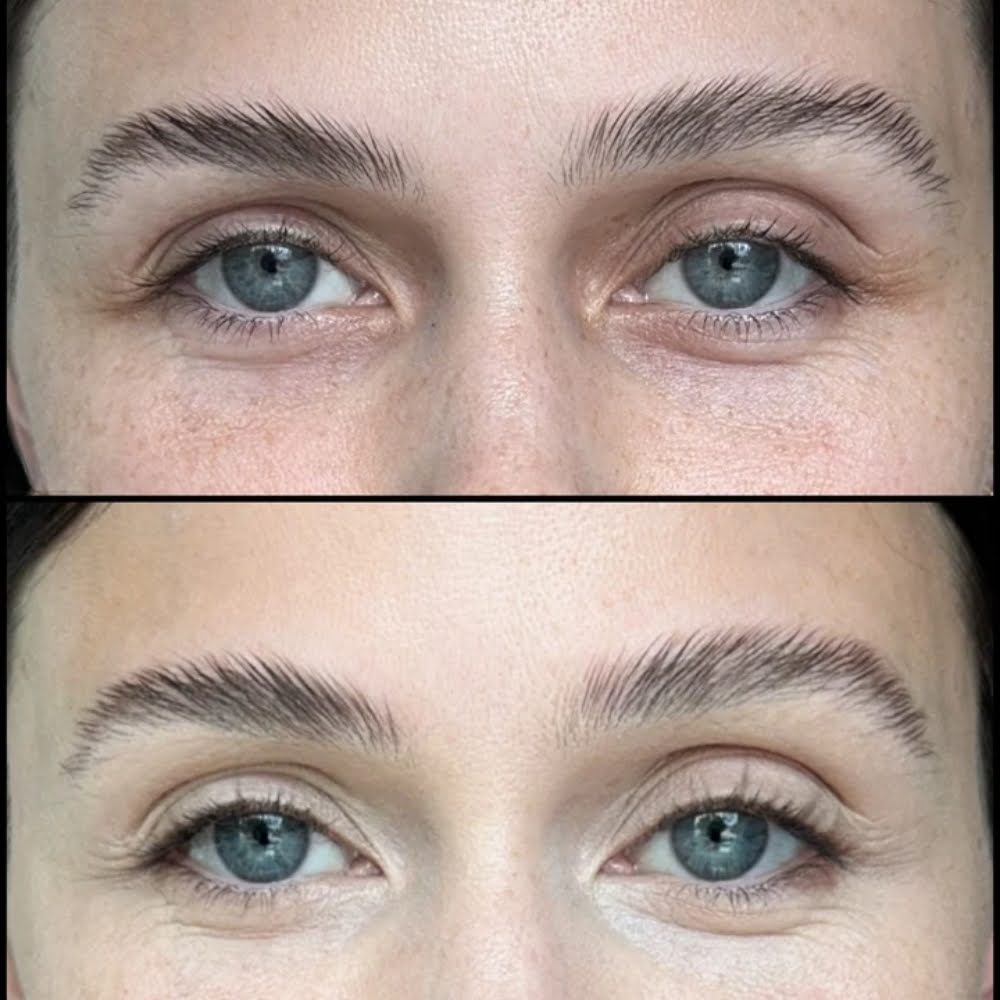
A red patch on your face shows up at the worst possible time. Maybe you woke up flushed before a big meeting, or those stubborn red marks on your face have been lingering for weeks.
Here's the thing: red spots on the face are one of the most common skin concerns across all skin tones and ages, and most have identifiable, treatable causes.
Figuring out how to get rid of red spots on your face starts with understanding what is happening beneath your skin. Once you know the root cause, every product choice and skincare step becomes more intentional.
Why Red Spots Show Up on Your Face
Facial redness is not a one-size-fits-all problem. Different conditions produce different types of red spots, and the right approach depends on accurate identification.
Rosacea and Persistent Flushing
Rosacea is a chronic inflammatory condition that causes redness, visible blood vessels, and sometimes small bumps across the nose, cheeks, and chin. Flare-ups can be triggered by sun exposure, spicy foods, alcohol, stress, and temperature changes. On deeper skin tones, rosacea often presents as persistent warmth or acne-like breakouts rather than obvious redness, which means it frequently goes undiagnosed.
Acne, Blemishes, and Post-Inflammatory Marks
Active breakouts inflame the surrounding skin, leaving behind red dots on the face even after the blemish itself has healed. Post-inflammatory erythema (PIE) is the technical term for those flat, pink-to-red marks that linger for weeks or months. Picking or over-treating blemishes makes these marks darker and longer-lasting.
Contact Dermatitis and Allergic Reactions
Fragrances, preservatives, and harsh surfactants in skincare or household products can trigger contact dermatitis, producing itchy red patches on the face. Allergic contact dermatitis happens when your immune system reacts to a specific ingredient, while irritant contact dermatitis occurs when a product simply damages the skin's barrier on contact.
Eczema, Psoriasis, and Sun Damage
Eczema causes dry, red marks on the face that itch and flake. Psoriasis accelerates skin cell turnover, producing raised, scaly red patches. And cumulative sun exposure over the years can lead to broken capillaries, uneven texture, and persistent redness, particularly around the nose and cheeks.
How to Reduce Redness on Face Quickly
When you need to calm a flare-up fast, speed matters. A few targeted steps can visibly reduce red spots on your face within minutes to hours.
Cold Compresses and Immediate Soothing
A cold, damp cloth pressed against flushed skin constricts dilated blood vessels and brings down visible redness within minutes. Aloe vera and chamomile-based products also provide a calming effect. Keep the application gentle, as rubbing will aggravate the situation.
Strip Your Routine Back to Basics
If a new product triggered the redness, stop using everything except a gentle cleanser and a simple moisturizer. Reintroduce products one at a time over several days to give your skin barrier a chance to recover.
Use Clean Makeup for Instant, Skin-Friendly Coverage
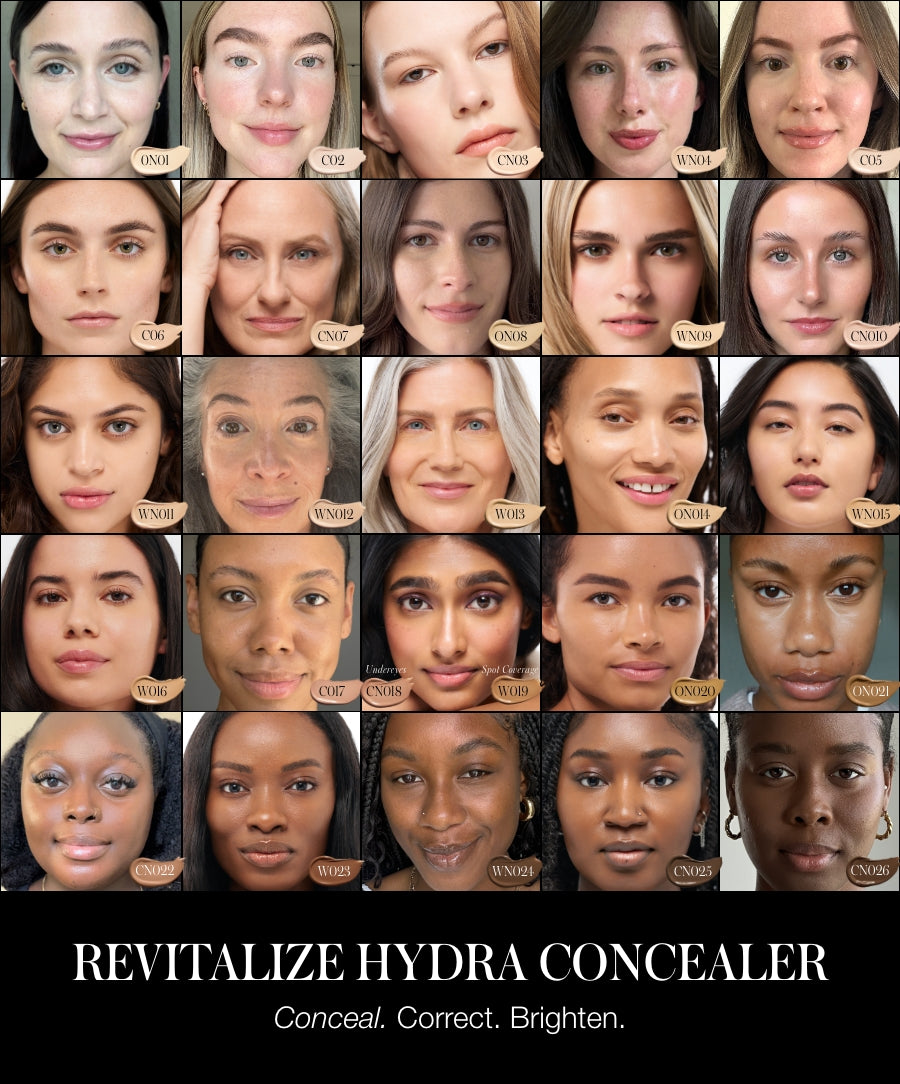
For immediate visual results, a buildable cream concealer formulated with organic jojoba oil and organic cocoa seed butter can conceal red marks without aggravating sensitive skin. Pat the product over areas of redness rather than rubbing for precise, targeted coverage.
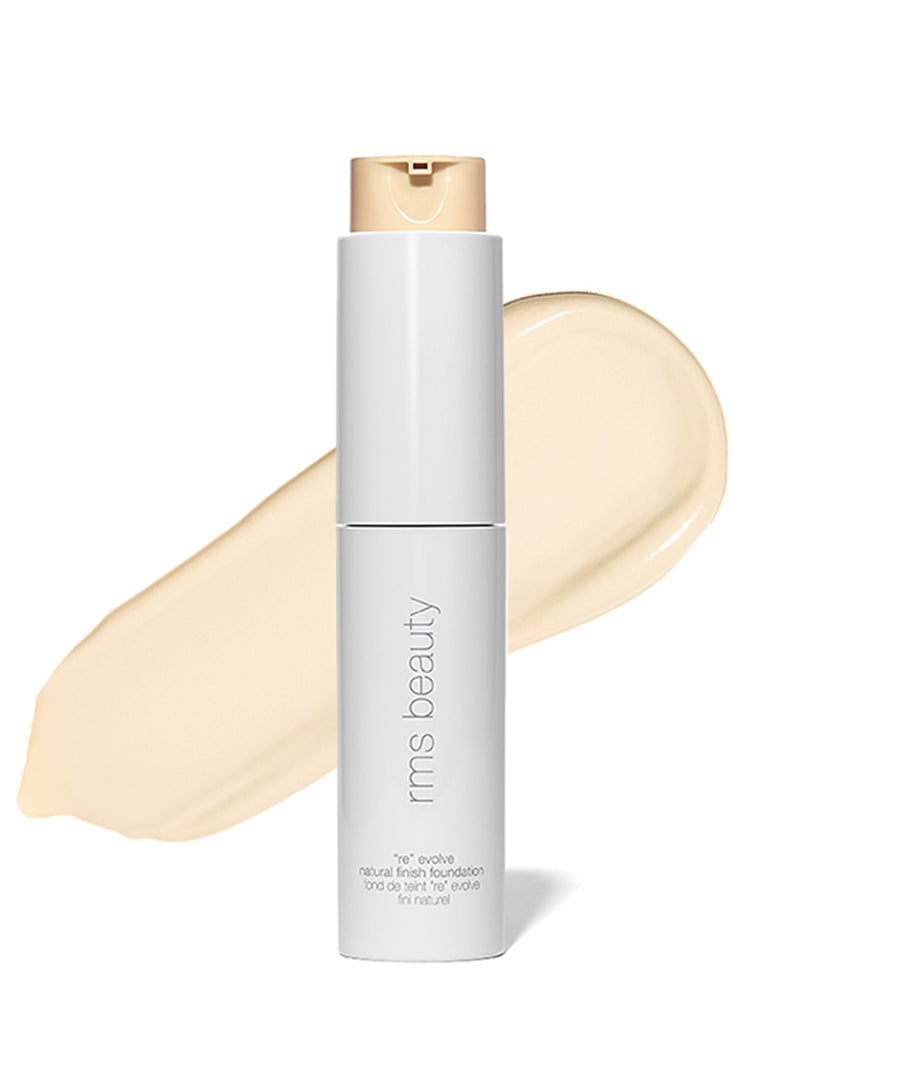
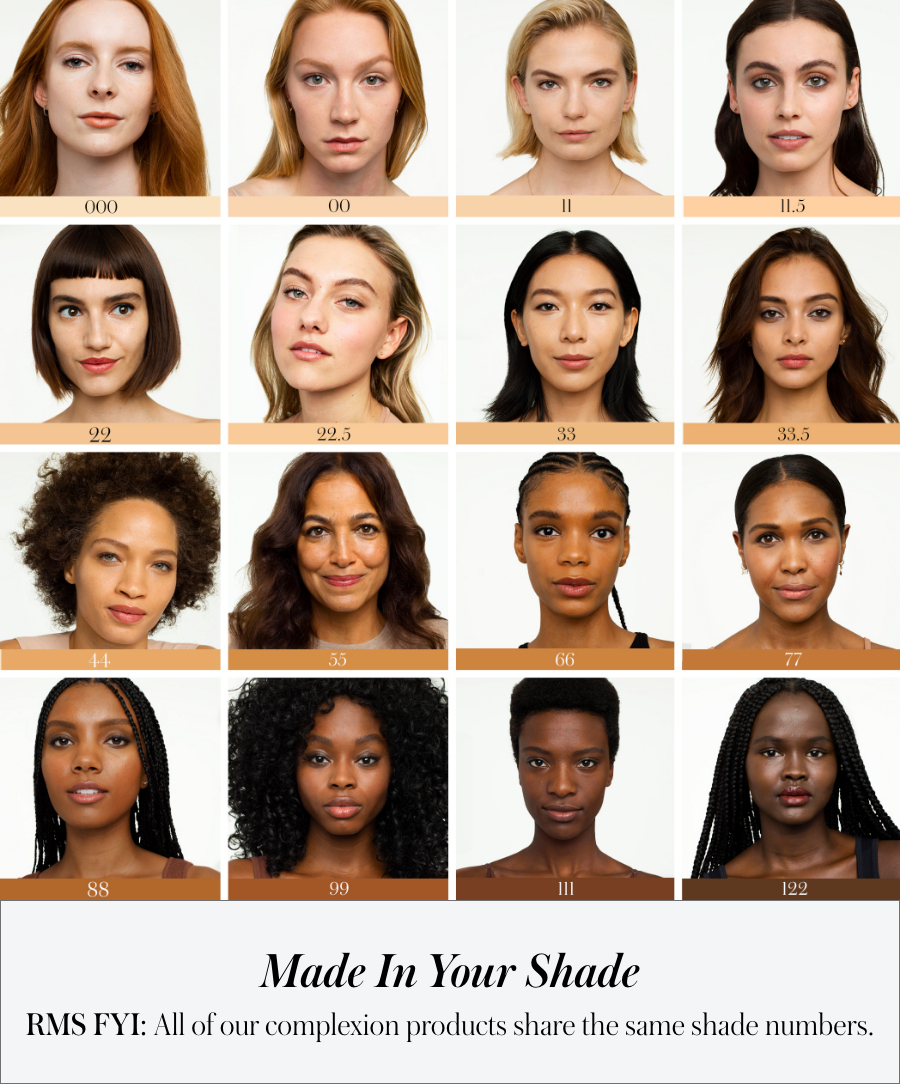
A skincare-infused foundation that conceals redness with a medium-coverage, natural finish can even out your complexion while Tightenyl, a gentle retinol alternative, and Vegetable Squalane firm and hydrate throughout the day.
Protect With SPF to Prevent Red Patches From Worsening
UV exposure inflames existing redness and triggers new damage. A tinted mineral SPF serum with non-nano zinc oxide physically blocks harmful rays while evening out skin tone with a subtle, soft-focus finish. Applying SPF daily is one of the simplest, most effective ways to prevent red spots on your face from getting worse.
Long-Term Strategies to Remove Red Spots on Face
Quick fixes handle the visible issue. Lasting results require a consistent routine built around barrier support, gentle active ingredients, and smart daily habits.
Build a Redness-Friendly Routine
Start with a hydrating primer that locks in skincare, grips makeup, and boosts hydration for up to 24 hours. A strong base protects the skin barrier while giving color products longer wear without reapplication.
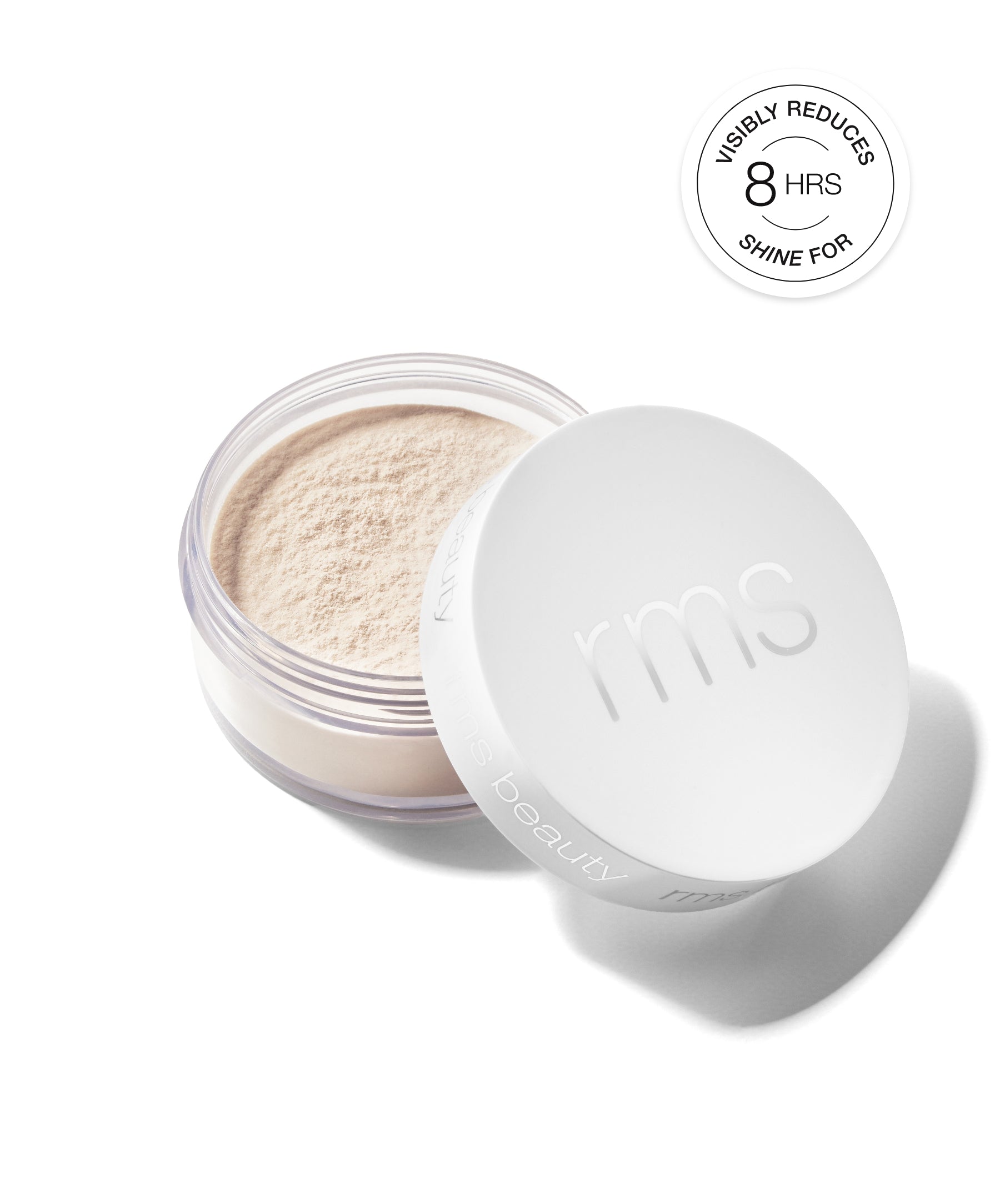
Follow with targeted concealing on areas of redness, then set with a talc-free setting powder that blurs imperfections. Powders formulated with wildcrafted buriti oil and organic jojoba oil nourish while they set, keeping skin comfortable all day.
Ingredients That Calm and Correct Over Time
Not every active ingredient is appropriate for redness-prone skin. Prioritize formulas built around these proven soothers:
- Niacinamide: Minimizes pore appearance while calming inflammation and strengthening the skin barrier
- Green tea extract: Delivers antioxidant protection and soothes irritated skin
- Organic jojoba oil: Mimics the skin's natural oils for easy absorption and gentle hydration
- Hyaluronic acid: Draws moisture into the skin for lasting plumpness and comfort
- Organic aloe: Soothes, moisturizes, and smooths the appearance of stressed skin
A medium coverage concealer with skincare benefits that combines coverage with ingredients like Eyebright and Tightenyl (a gentle retinol alternative) can visibly improve skin texture while concealing redness over time. In consumer studies, 100% of participants agreed that skin appeared brighter after 30 days of use.
Habits That Make Facial Redness Worse
Avoid these common mistakes if you are trying to get rid of red blisters on your face or manage chronic redness:
- Over-exfoliating or using abrasive scrubs on inflamed skin
- Skipping SPF, even on overcast days
- Using products with synthetic fragrances, sulfates, or alcohol that strip the barrier
- Touching or picking at blemishes and irritated areas
- Consuming excessive alcohol, which dilates blood vessels and worsens flushing
When to See a Dermatologist About Red Marks on Face
Home routines handle most mild to moderate redness. Certain signs, however, can mean it’s time to see a professional.
Signs a Red Patch on Face Needs Professional Attention
See a board-certified dermatologist if your redness persists for more than two weeks, feels warm or painful, appears alongside blisters or open sores, or is accompanied by burning around the eyes. Conditions like rosacea, lupus, and psoriasis benefit from early diagnosis and tailored treatment plans.
What a Dermatologist Can Offer
Dermatologists prescribe targeted topical medications, oral treatments for chronic conditions, or procedures like laser therapy for broken capillaries and persistent redness that over-the-counter products cannot address.
Final Thoughts
Red spots on your face are frustrating, but not a mystery. Once you identify the cause, whether rosacea, post-acne marks, irritation, or sun damage, every routine decision becomes clearer. A gentle, barrier-supporting approach works better than aggressive treatments.
RMS Beauty formulates every product with clean, skin-loving ingredients, free from parabens, synthetic fragrances, sulfates, and over 2,700 potentially harmful ingredients. From concealers that cover redness without caking to primers that lock in hydration, each formula works with sensitive, reactive skin.
Shop the full complexion collection and build a routine that calms, covers, and cares for your skin.
Frequently Asked Questions
Q. Can red spots on the face go away on their own?
Some can. Post-inflammatory marks from acne typically fade over weeks to months. Redness from allergic reactions clears once the trigger is removed. Chronic conditions like rosacea or psoriasis, however, require ongoing management.
Q. What is the fastest way to reduce redness on the face quickly?
A cold compress constricts blood vessels and calms inflammation within minutes. Pairing that with a soothing moisturizer and a clean, buildable concealer gives you both physical relief and instant visual coverage.
Q. Are dry red marks on the face always eczema?
Not necessarily. Dry, flaky red patches can result from contact dermatitis, psoriasis, harsh weather, or overuse of drying skincare products. A dermatologist can determine the specific cause and recommend the right treatment.
Q. How do you get rid of red spots on the face from acne?
Patience and gentle care are key. Avoid picking at blemishes, use non-comedogenic products, apply SPF daily, and incorporate calming ingredients like niacinamide and aloe into your routine. Post-acne marks typically fade with consistent care.
Q. Can makeup make red spots worse?
Products loaded with synthetic fragrances, talc, and comedogenic ingredients can irritate sensitive skin and worsen redness. Choosing clean, non-comedogenic formulas made with skin-nourishing ingredients ensures your coverage helps rather than harms.
Q. Should I see a doctor for a single red patch on my face?
A single persistent red patch that does not respond to gentle skincare within two weeks warrants a visit to a dermatologist. Early evaluation rules out conditions like rosacea, eczema, or psoriasis and prevents the issue from progressing.
Shop The Blog
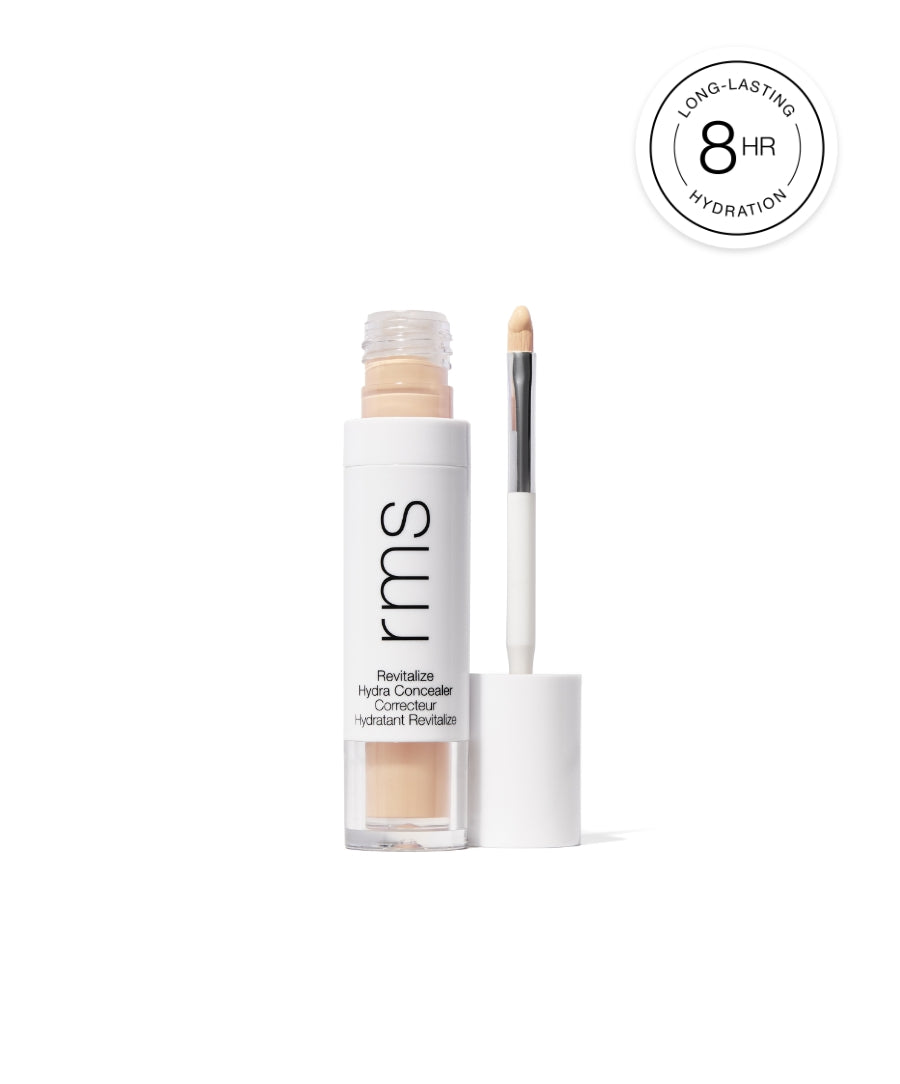
Revitalize Hydra Concealer
ReEvolve Natural Finish Liquid Foundation
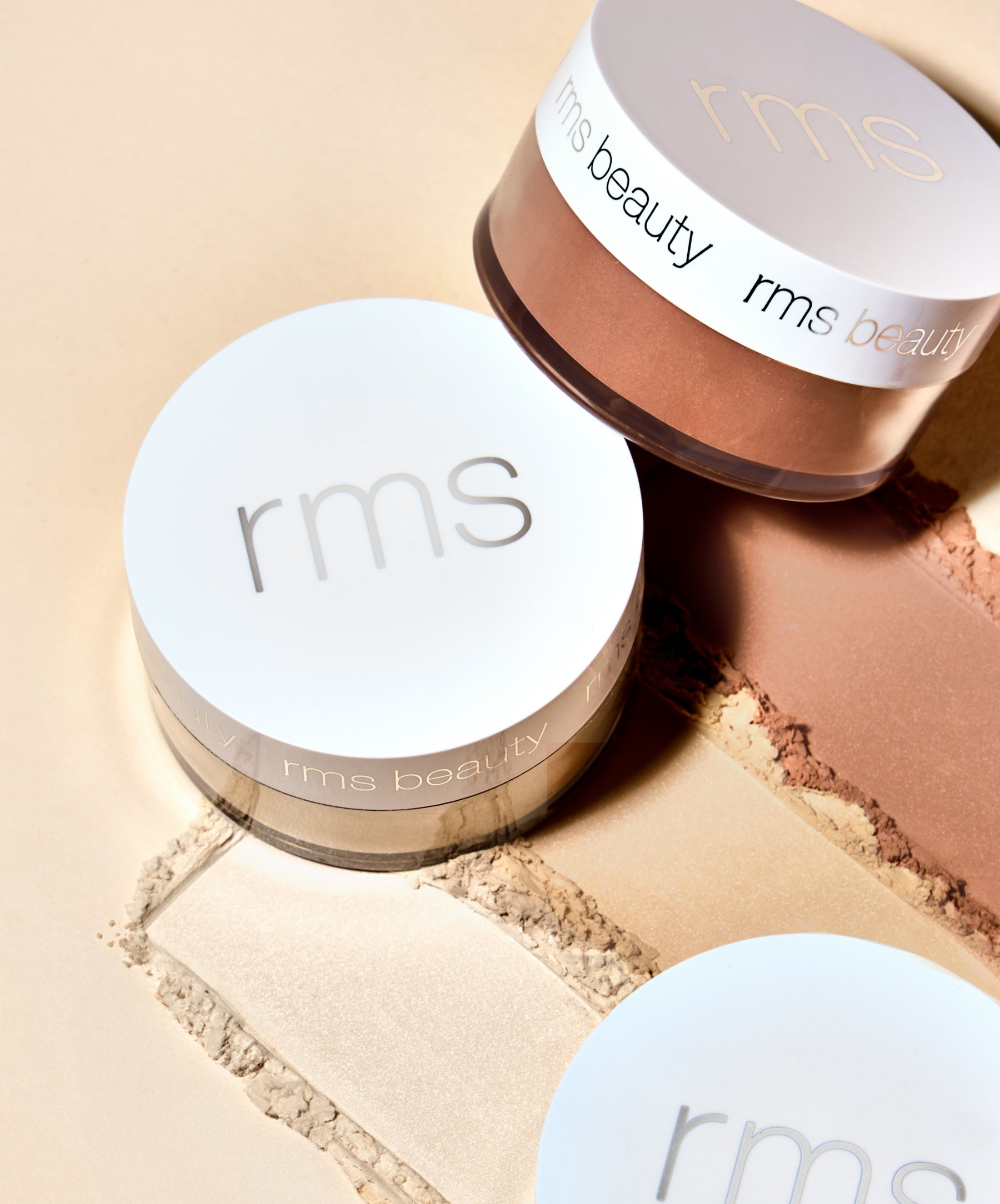
Hydra Setting Powder