Skip to main content


Is Glycerin Good for Your Skin? Benefits, Side Effects, and How to Use It
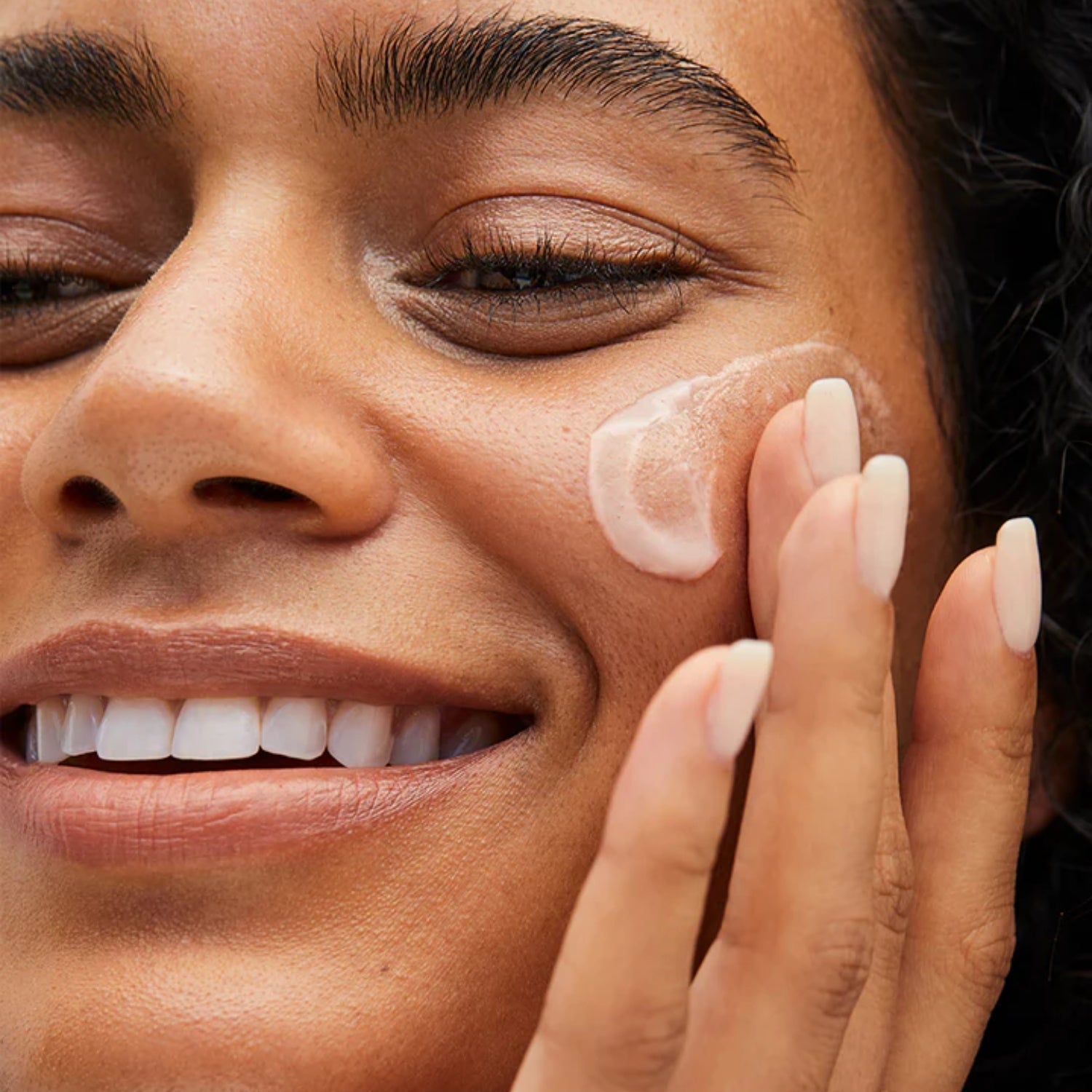
Glycerin is in almost everything you put on your face. Behind water and fragrance, it ranks as one of the most commonly used ingredients in cosmetic formulas worldwide. And for good reason.
Glycerin is a humectant, which means it pulls moisture from the air and deeper skin layers into the outermost layer, the stratum corneum. A study found glycerin to be one of the most effective humectants for increasing surface hydration, outperforming alternatives like hyaluronic acid, urea, and alpha hydroxy acids.
So, is glycerin good for skin? Yes. But the answer has layers, and not every product delivers the same results. Here's what actually matters.
What Is Glycerin and Why Does Skin Care Love It
Also called glycerol, glycerin is a clear, colorless, odorless liquid derived from vegetable oils or animal fats. Classified as a sugar alcohol, it occurs naturally in plants, fermented foods, and even within your own skin's lipid structure.
A Humectant That Pulls Its Weight
What makes this ingredient stand out in glycerin skin care is its ability to attract and hold water. Unlike occlusives that sit on top of the surface and trap moisture underneath, humectants actively draw water molecules toward the outermost layer. The result is a plumper, smoother texture without the heavy feel.
How the Ingredient Fits Into Formulas
Glycerin rarely works alone in a well-formulated product. Most effective formulas pair it with occlusives or emollients that seal in the moisture it draws in. A hydrating primer that combines this humectant with vegetable squalane and hyaluronic acid, for example, delivers both immediate hydration and long-term moisture retention.
Vegetable-Derived vs. Synthetic Sources
Most of the compounds used in clean beauty formulations come from vegetable oils, typically coconut, palm, or soy. Synthetic versions exist, but vegetable-derived sources tend to be the standard in quality skincare. When checking labels, look for glycerin or glycerol listed among the ingredients. At RMS Beauty, all our glycerin is plant-based and 100% naturally derived.
Benefits of Glycerin for Your Skin
The question what does glycerin do for skin? has a straightforward answer: hydration. But the effects of that hydration are where things get interesting.
Deep Hydration Without the Heaviness
The glycerin compound draws water into the stratum corneum, the outermost layer of skin. It can hydrate this outer layer, relieve dryness, and may even help with conditions like psoriasis. Using glycerin as a moisturizer, whether in a standalone product or within a formula, delivers lightweight hydration that doesn't feel greasy.
Stronger Skin Barrier, Fewer Problems
A well-hydrated skin barrier functions better. Glycerin improves barrier function by maintaining optimal water levels in the outer skin layer, which helps protect against irritants, pollutants, and bacteria. Products like a talc-free setting powder that include humectants alongside skin-nourishing oils can set your makeup while quietly reinforcing the barrier underneath.
Smoother Texture and Accelerated Healing
The glycerin softens rough, flaky patches by filling in gaps between skin cells. It can accelerate wound-healing processes and provide protection against skin irritants. For anyone dealing with seasonal dryness or post-blemish texture, well-formulated hydrating products offer practical support.
Glycerin Uses for Skin Across Different Product Types
The ingredient is versatile enough to show up in nearly every step of a skincare and makeup routine. Here's where glycerine for face and body actually does the most work.
| Product Type | What the Humectant Does | Best For |
|---|---|---|
| Primers | Draws moisture in, creates a smooth base | Dry, dehydrated, or combination skin |
| Setting Powders | Prevents dryness while mattifying | Oily or combination skin needing hydration |
| Concealers | Keeps formula creamy, prevents caking | Undereye area and dry patches |
| Sunscreens | Balances the drying effects of mineral actives | All skin types, especially sensitive |
| Blushes and Luminizers | Maintains bouncy, blendable texture | Anyone wanting a skin-like finish |
How to Use Glycerin for Dry Skin
Knowing how to use glycerin for dry skin comes down to one principle: the ingredient works best when it has moisture to pull from, and when that moisture gets sealed in.
Layer Over Damp Skin
Apply humectant-rich products right after cleansing, while your face is still slightly damp. The compound pulls water from the nearest available source. On damp skin, that source is the water sitting on the surface. On bone-dry skin in a low-humidity environment, it may draw moisture up from deeper layers instead, which can lead to surface dehydration.
Pair With Occlusives or Emollients
A humectant on its own isn't enough. Seal in the hydration by layering an emollient or occlusive product on top. A formula that combines the humectant with ingredients like vegetable squalane or jojoba oil handles both steps at once. A radiance-enhancing concealer that blends hydration with skin-firming actives and an adaptogenic herbal blend can conceal and moisturize in one step, which is especially useful around the delicate eye area.
Skip the DIY Dilution
Pure, undiluted glycerin should not go directly on your face. In concentrated form, it can cause blistering, particularly in dry or low-humidity conditions. Always opt for a professionally formulated product where the humectant sits at a safe concentration, balanced with complementary ingredients.
Side Effects and What to Watch For
The ingredient is generally well-tolerated and recognized as safe by the FDA. But a few things are worth flagging.
Potential for Allergic Reactions
Although rare, allergic reactions can occur. Signs include redness, itching, or rash. If any of these show up after applying a new product, stop using it and consult a dermatologist.
Dehydration Risk in Low Humidity
In very dry climates or heated indoor environments, the humectant can pull moisture from deeper skin layers rather than the air. Pairing it with a good occlusive minimizes the risk. A gel-to-powder luminizer formulated with the compound alongside wildcrafted buriti oil and organic jojoba oil provides the occlusive backup needed to work effectively.
Undiluted Application Causes Irritation
Pure glycerin applied directly to skin, especially the face, can cause blistering and significant irritation. The face is more delicate than the rest of the body, which makes proper formulation non-negotiable. Stick to products where the ingredient is one part of a balanced formula, not the whole formula.
Glycerin vs. Other Humectants
This humectant isn't the only one in the game. Here's how it stacks up against the most common alternatives.
| Humectant | Molecular Size | Hydration Depth | Best Suited For |
|---|---|---|---|
| Glycerin | Small | Deep, penetrates the stratum corneum | All skin types, especially dry skin |
| Hyaluronic Acid | Large (varies by weight) | Surface-level to mid-layer | Plumping, fine lines |
| Urea | Small | Deep, also exfoliates | Very dry, rough, or keratotic skin |
| Propylene Glycol | Small | Moderate | Oily or acne-prone skin |
| Sorbitol | Medium | Moderate | Sensitive skin |
Many effective products use the compound and hyaluronic acid together. A skin-perfecting SPF sunscreen that includes both alongside mineral UV protection, for example, keeps skin hydrated even when active ingredients might otherwise cause dryness.
Final Thoughts
Glycerin is one of the most reliable, well-studied humectants in skincare. Whether you're using glycerin as a moisturizer, addressing seasonal dryness, or just looking for products that keep your face hydrated without a heavy feel, the ingredient delivers.
The one rule that matters: never use the pure form directly on your face. Always choose well-formulated products where the humectant works alongside complementary ingredients that seal in moisture and protect the skin barrier.
At RMS Beauty, the ingredient plays a key role in several formulas, from primers and setting powders to blushes and concealers. Every product is formulated with clean, skin-loving ingredients that work together to hydrate, protect, and perform.
Shop hydrating skincare and makeup at RMS Beauty to see the difference thoughtful formulation makes.
Frequently Asked Questions
Q. Is glycerin good for all skin types?
The ingredient is non-comedogenic and generally suitable for all skin types, including oily and acne-prone. Sensitivity varies from person to person, so patch-testing a new product first is always a smart move.
Q. Can I use pure glycerin directly on my face?
No. Undiluted application can cause blistering and dehydration, especially on the delicate facial area. Always use the ingredient within a professionally formulated product.
Q. What does glycerin do for dry skin specifically?
The humectant draws moisture into the outer layer of skin, softening rough patches and relieving tightness. For best results, apply products containing it to damp skin and follow with an emollient.
Q. Is glycerine for the face safe during pregnancy?
The ingredient is generally considered safe for topical use during pregnancy. However, always check with a healthcare provider before introducing new skincare products.
Q. How is it different from hyaluronic acid?
Both are humectants that attract moisture to the skin. Glycerin has a smaller molecular size and penetrates more deeply into the stratum corneum. Hyaluronic acid tends to work closer to the surface and excels at plumping. Many effective formulas use both together.
Q. Does the glycerin clog pores?
No. The compound is non-comedogenic, meaning it does not block pores. Safe for acne-prone skin, it is commonly included in formulas designed for sensitive and breakout-prone skin types.
Shop The Blog

Free Sample: ReEvolve Radiance Locking Primer
Back2Brow Powder