Skip to main content


Sunscreen Before or After Moisturizer: Which Should You Apply First?

Should sunscreen go before or after moisturizer? The answer depends on your sunscreen type, and getting it wrong may compromise your skin's protection.
Why Product Order Matters for Sun Protection
Layering skincare correctly allows each formula to work at full capacity.
-
Mineral sunscreen creates a physical barrier reflecting UV rays, so moisturizer on top can disrupt that shield.
-
Chemical sunscreen absorbs into the skin, where active ingredients convert UV rays into heat, so moisturizer underneath may hinder absorption.
Mineral Sunscreen Goes After Your Moisturizer
Mineral sunscreen with non-nano zinc oxide functions as a physical blocker on your skin's surface. Since it sits on top rather than absorbing, apply it after your moisturizer fully absorbs.
Correct order: cleanser, toner (optional), serum (optional), moisturizer, mineral sunscreen.
Chemical Sunscreen Goes Before Your Moisturizer
Chemical sunscreen uses active ingredients requiring absorption into the skin. Apply to clean, dry skin first, then wait 15 to 20 minutes before sun exposure. If you apply moisturizer afterward, ensure your chemical sunscreen has fully absorbed first.
The Sequence Impacts Effectiveness
Applying products in the correct order for your sunscreen type ensures each formula functions as designed. Mineral sunscreen forms an effective barrier, and chemical sunscreen absorbs fully. Both protect your skin when layered correctly.
How to Layer Without Pilling or Texture Problems
Proper application technique prevents common issues and ensures both products work effectively.
Wait Between Each Layer for Complete Absorption
After applying moisturizer, wait two to five minutes before applying sunscreen. This allows proper absorption and creates a smooth foundation for your SPF. For chemical sunscreen, wait 15 to 20 minutes before sun exposure.
Apply the Right Amount of Each Product
Use a nickel-sized amount of moisturizer and a quarter-sized amount of sunscreen for the face and neck. Proper quantities prevent overwhelming your skin while ensuring adequate sun protection.
Choose Lightweight Formulas That Layer Well
Heavy silicones or overly occlusive creams cause products to pill. Look for hydrating moisturizers that absorb quickly without leaving greasy residue, allowing your sunscreen to sit properly and form an effective protective layer.
Common Mistakes Compromising Your SPF
| Mistake | Why It Matters |
|---|---|
| Applying moisturizer over mineral sunscreen | May disrupt the protective barrier mineral SPF creates |
| Not waiting between products | May cause pilling and prevents proper bonding |
| Skipping reapplication | SPF effectiveness may degrade over time |
Mineral sunscreen must be your final step. Once applied, layering cream on top defeats the purpose. Not waiting between products causes pilling and signals that formulas aren't bonding properly.
Sunscreen requires reapplication every two hours, and even more frequently if swimming or sweating.
Final Thoughts
Whether you apply sunscreen before or after moisturizer is essential science. Mineral sunscreen goes last after your moisturizer fully absorbs. Chemical sunscreen goes first. Once you understand this sequence, your SPF works harder for you.
RMS Beauty hydrating creams pair seamlessly with our tinted mineral sunscreens, giving you sun protection without compromising nourishment. Apply them in the right order for radiant, protected skin all day.
Frequently Asked Questions
Q. Should I apply sunscreen before or after moisturizer?
Mineral sunscreen goes after moisturizer, since it works as a physical barrier. Chemical sunscreen goes before to allow proper absorption into the skin.
Q. Can I use a moisturizer with SPF instead of a separate sunscreen?
You can for indoor days or limited sun exposure. For extended outdoor time, pair an SPF moisturizer with a dedicated sunscreen and reapply every two hours.
Q. What happens if I apply them in the wrong order?
Applying your sunscreen in the wrong order may reduce UV protection, cause pilling, and waste product. Your sunscreen becomes less effective at protecting your skin.
Q. How long should I wait between moisturizer and sunscreen?
Wait two to five minutes for moisturizer absorption. For chemical sunscreen, wait 15 to 20 minutes before sun exposure.
Q. Is mineral or chemical sunscreen better?
Both are effective but work differently. Mineral sunscreen reflects UV rays and is typically less irritating. Chemical sunscreen absorbs into the skin and is often lighter. Mineral sunscreen is usually better for most skin types because it creates a physical barrier instead of absorbing into the skin.
Q. Do I need to reapply sunscreen if I'm mostly indoors?
Yes. UV rays penetrate windows, so reapply every two hours throughout your day, whether indoors or outdoors.
Shop The Blog
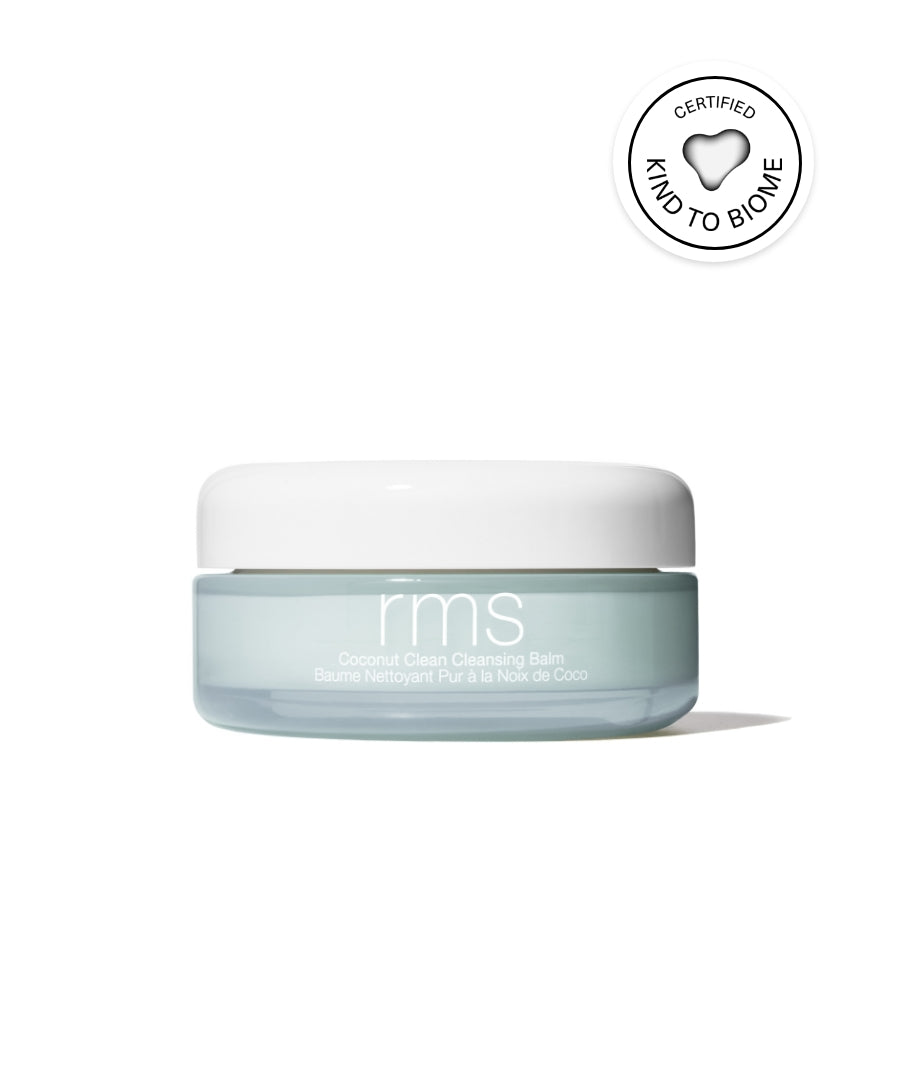
Coconut Clean Cleansing Balm
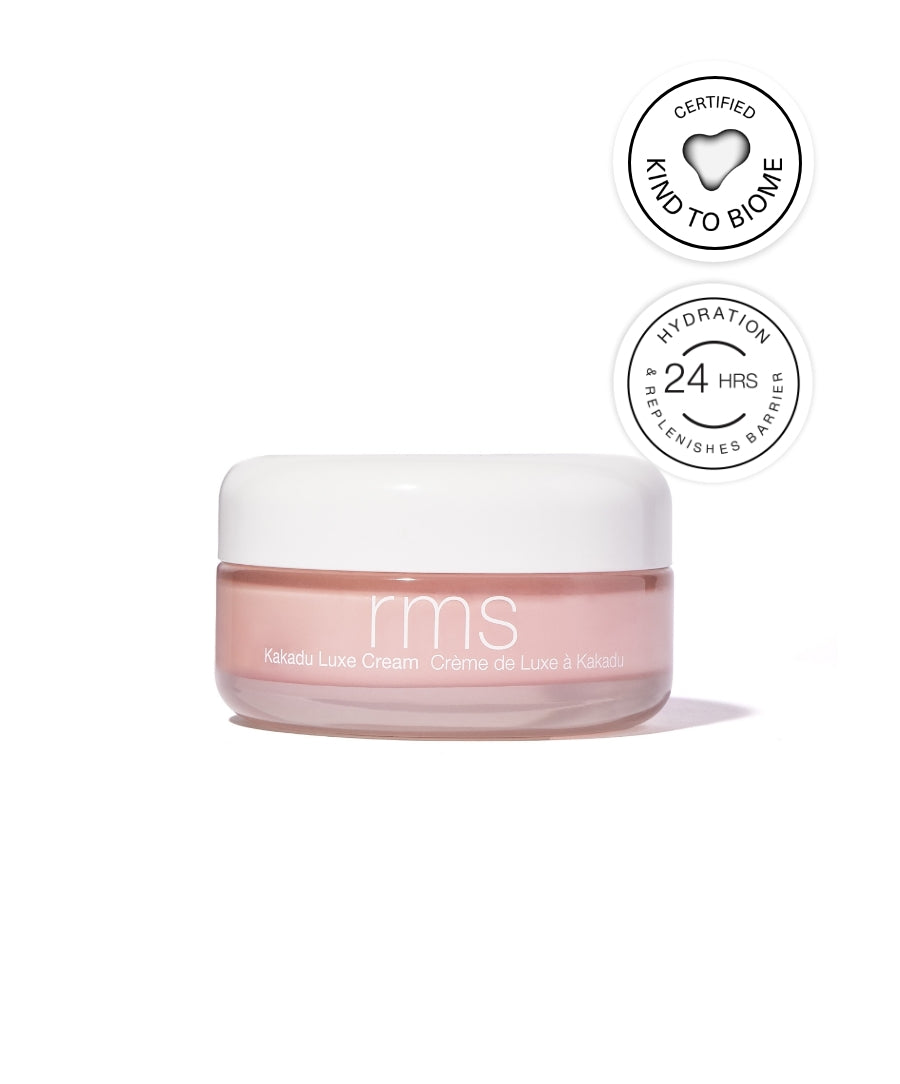
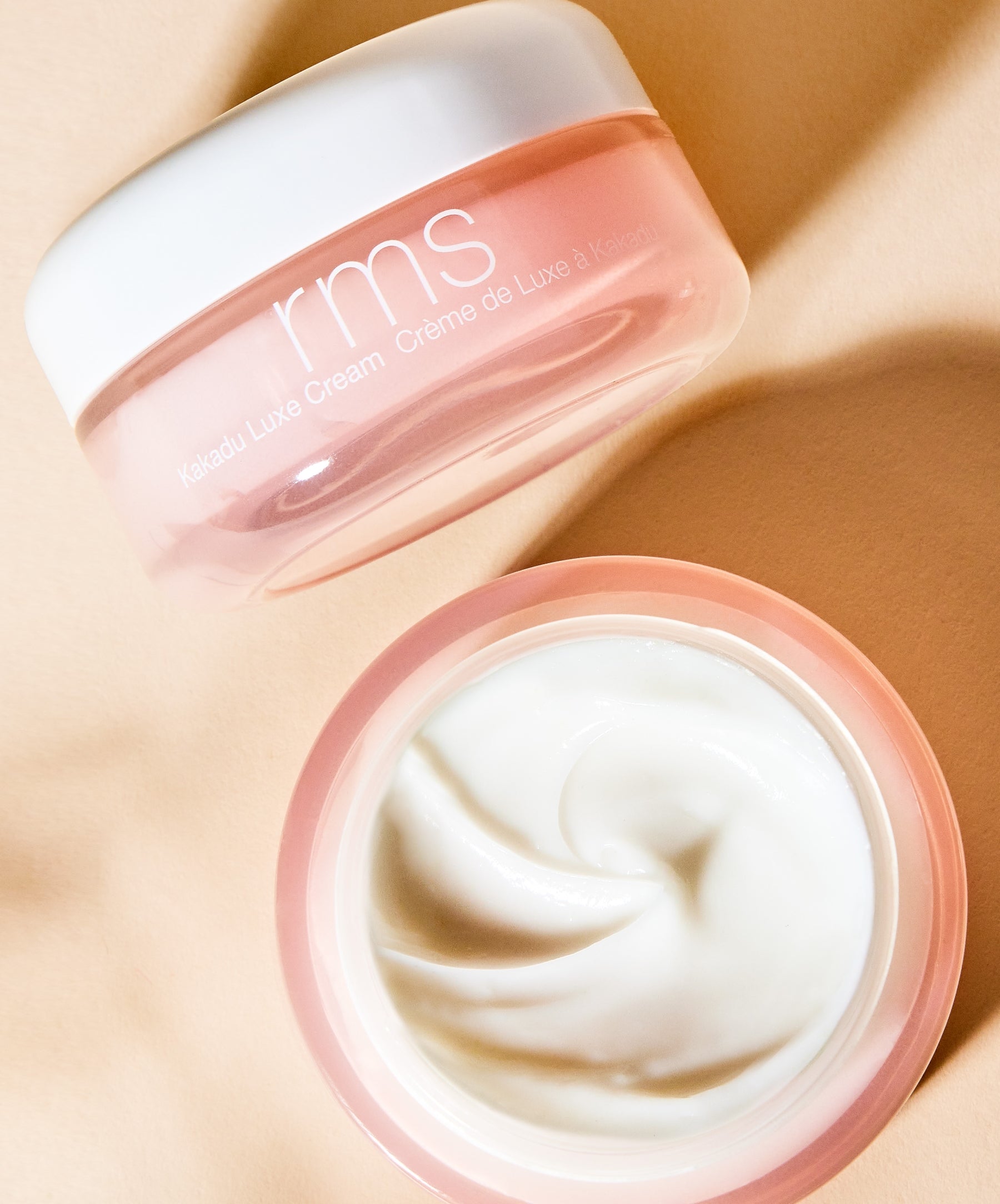
Kakadu Luxe Cream
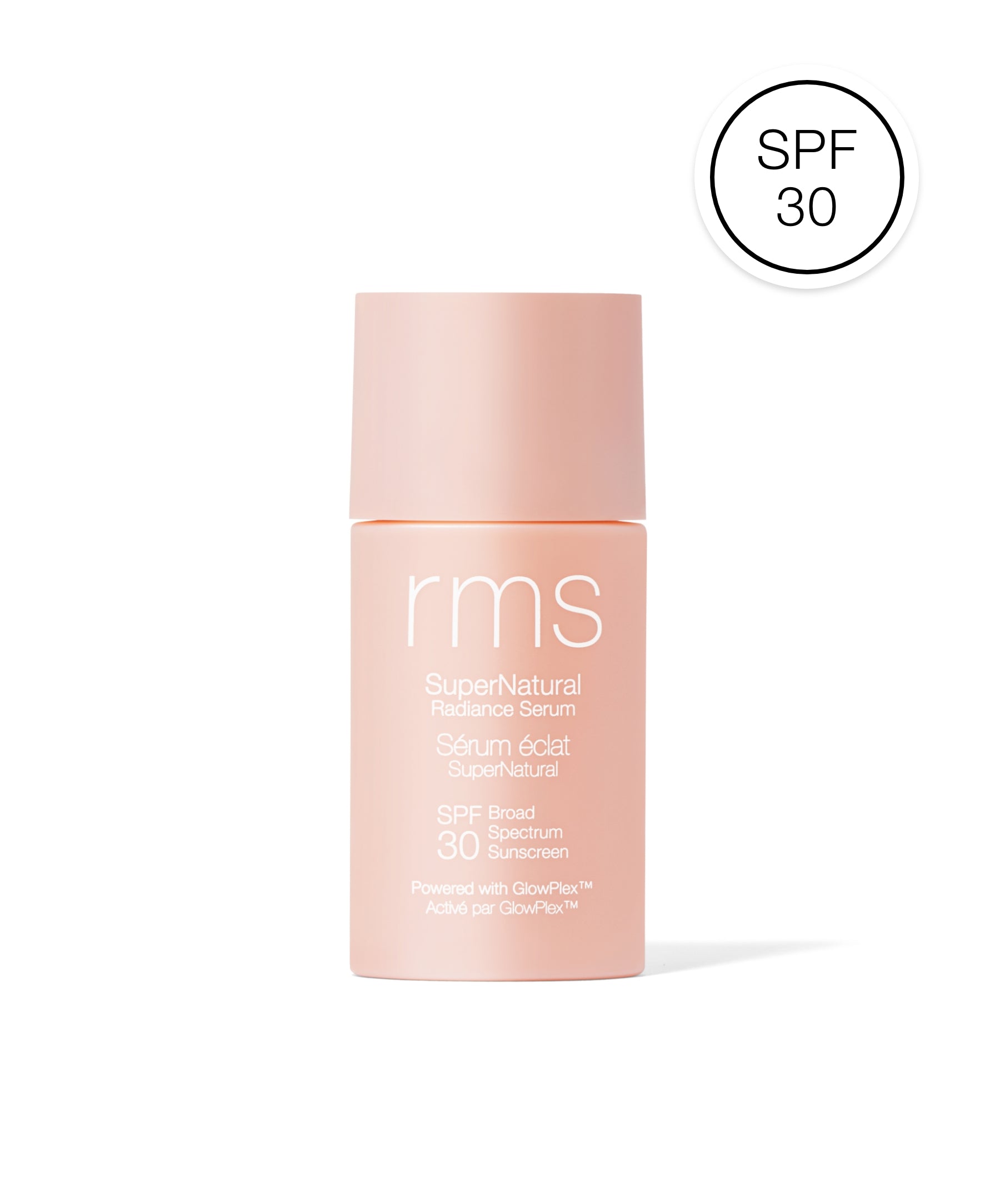
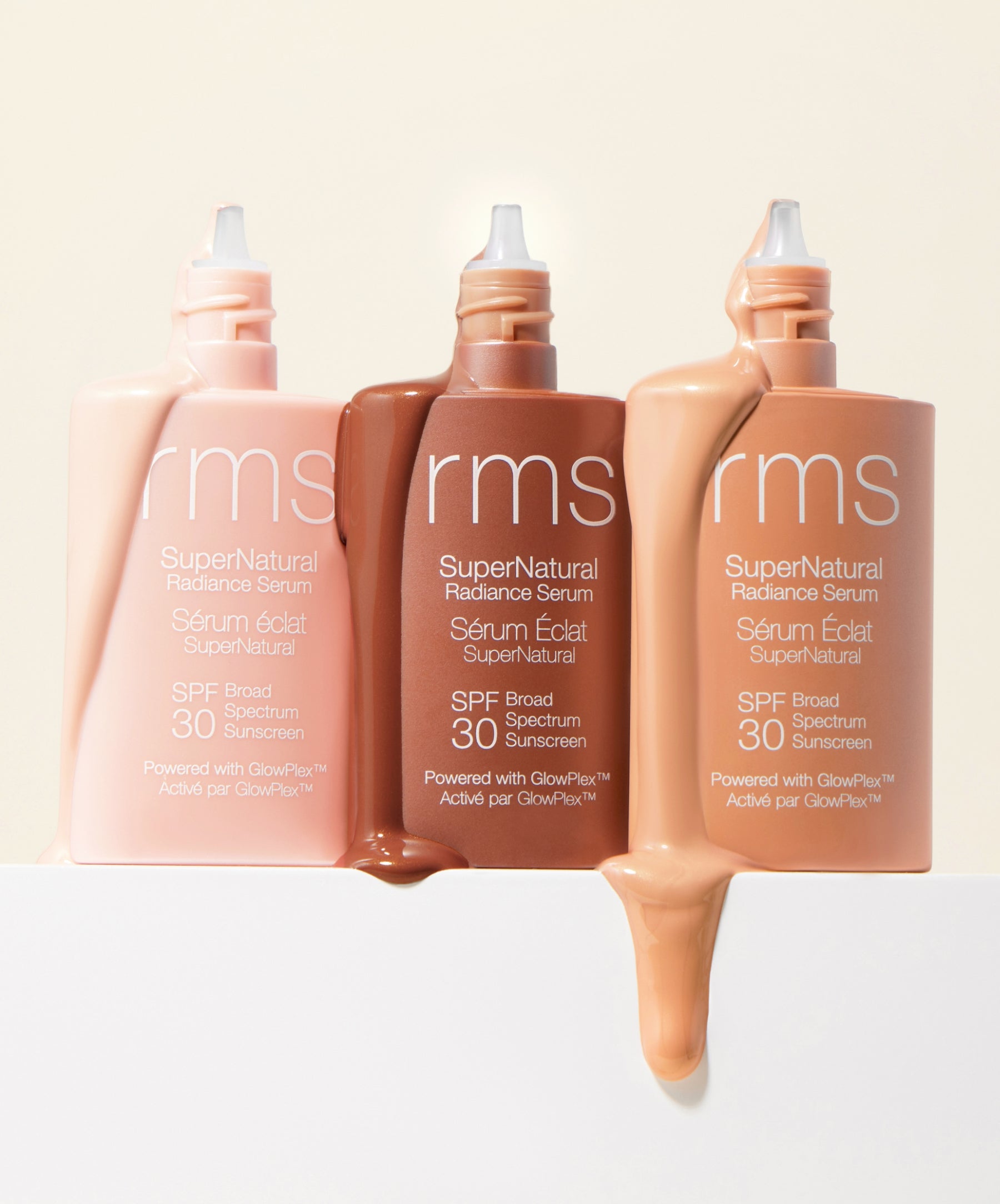
Supernatural Radiance Serum Broad Spectrum SPF 30 Sunscreen