Skip to main content


Castor Oil for Face: Benefits for Acne, Skin & Glowing Complexion
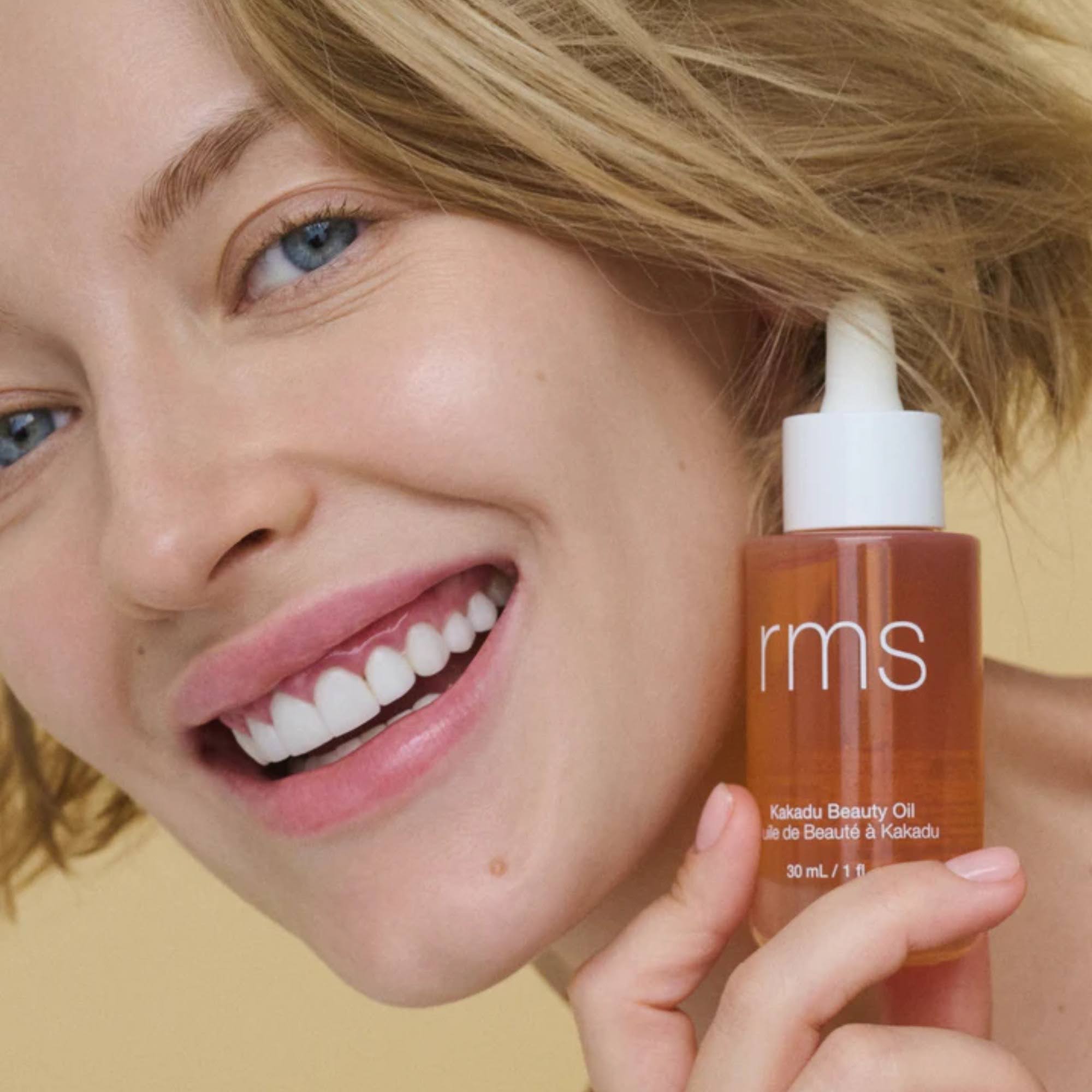
Castor oil has been in medicine cabinets for generations, but only recently has it earned real attention as a skincare ingredient. Rich in fatty acids and known for its thick, emollient texture, castor oil for face use is gaining traction among people looking for a plant-derived routine addition.
Here's what you need to know.
What Does Castor Oil Do to the Skin
Before layering anything new onto your face, understanding what it actually does matters. Castor oil is a vegetable oil pressed from the seeds of the Ricinus communis plant. What sets it apart is its unusually high concentration of one specific fatty acid.
Ricinoleic Acid and Why It Matters
Roughly 85 to 90% of castor oil is ricinoleic acid, a monounsaturated fatty acid rarely found in other oils. Ricinoleic acid drives the oil's anti-inflammatory and antimicrobial activity, which is why castor oil for pimples and irritated skin has a long history in traditional remedies.
How the Oil Locks in Moisture
Castor oil is an occlusive, meaning it forms a barrier on the skin's surface that prevents transepidermal water loss. For people dealing with dehydration or flaky patches, the oil seals in existing moisture rather than adding water. Pairing castor oil with a hydrating serum mist underneath can make a real difference in how well skin retains hydration.
Antibacterial and Anti-Inflammatory Properties
Research points to castor oil's antimicrobial activity against certain bacteria strains, contributing to its reputation for helping with blemish-prone skin. Combined with its anti-inflammatory profile, it can soothe active irritation without the harshness of some synthetic spot treatments.
Is Castor Oil Good for Your Face
The short answer: for most skin types, yes. Castor oil is not a miracle product, but it offers genuine benefits when used appropriately.
Hydration That Feels Substantial
Unlike lightweight oils that absorb quickly, castor oil has a heavier texture that delivers sustained moisture. For anyone with chronically dry or rough patches, the oil's emollient quality can leave skin genuinely softened. A nourishing face oil paired with castor oil can address both hydration and nourishment in one step.
Supporting Smoother Skin Texture
Consistent use of castor oil can improve the feel of rough, uneven skin over time. The fatty acids support the skin's lipid barrier, which plays a direct role in how smooth and resilient skin feels.
Working Toward a Naturally Radiant Complexion
Well-hydrated skin naturally looks healthier. Castor oil contributes to a radiant complexion through consistent moisture support and barrier reinforcement, not through any brightening agent.
Castor Oil for Acne and Blemish-Prone Skin
Using castor oil for acne may sound counterintuitive, but the specific composition of castor oil makes it a more nuanced option than most oils.
How Ricinoleic Acid Addresses Breakouts
Ricinoleic acid's antimicrobial properties can help reduce the bacterial load on skin that contributes to acne. Unlike stripping cleansers, castor oil manages bacteria while keeping the moisture barrier intact. Starting your routine with a gentle cleansing balm before applying castor oil ensures a clean canvas.
Balancing Oil Production
One underrated aspect of castor oil for face use is its potential to help regulate sebum. When skin is stripped of its natural oils, it overproduces sebum to compensate. Castor oil, applied in small amounts, can help reduce that overproduction cycle. A gel-to-foam cleanser that purifies without stripping makes an ideal first step for oily and combination skin.
Fading Post-Acne Marks Over Time
Castor oil won't erase scars overnight. What it can do is support the skin's natural healing through consistent moisture and fatty acid delivery. Over weeks of regular use, some people notice post-inflammatory marks gradually soften.
Where to Find Castor Oil in RMS Beauty Products
Castor Seed Oil (Ricinus Communis) is a foundational ingredient across several RMS Beauty formulas. Rich in fatty acids, it serves as a natural anti-inflammatory and hydration source that helps soothe the skin.
Skincare With Castor Seed Oil
Kakadu Luxe Cream includes Castor Seed Oil alongside Kakadu Plum, Niacinamide, and Organic Shea Butter. The oil supports the cream's plumping hydration and soft, conditioned feel. For anyone wondering is it ok to put castor oil on your face, a well-formulated hydrating face cream is one of the easiest ways to incorporate it.
How to Apply Castor Oil on Your Face Safely
Knowing whether castor oil is good for the face starts with understanding your own skin. And doing a patch test. Always.
Patch Testing Before Full Application
Apply a small amount of castor oil to the inside of your wrist or behind your ear. Wait 24 hours. If no redness or swelling develops, proceed on a small area of your face before incorporating it fully.
Application Tips for Best Results
- Dilute for first-time use. Mix castor oil with a lighter carrier oil like jojoba at a 1:3 ratio.
- Apply to damp skin. The oil works best as a sealant over moisture, not as a standalone moisturizer on dry skin.
- Use sparingly. Two to three drops are enough for the full face.
- Nighttime is ideal. The heavier texture works well as an overnight treatment.
- Frequency matters. Start with two to three times per week and adjust based on how your skin responds.
When to Skip Castor Oil
- Severely acne-prone skin with active cystic breakouts should consult a dermatologist first.
- Skin with existing allergic reactions to plant-based oils may react to ricinoleic acid.
- Extremely oily skin may find pure castor oil too heavy, even in small amounts.
Final Thoughts
Is castor oil good for your face? For most people, yes, when used with intention and not excess. The oil's strength lies in its fatty acid profile, its anti-inflammatory properties, and its ability to support the skin's moisture barrier.
At RMS Beauty, ingredient integrity isn't a marketing line. Castor Seed Oil shows up on our skincare lineup because it performs. If you're ready to build a routine grounded in clean, high-performing ingredients, shop the full collection and see what thoughtfully sourced beauty feels like.
Frequently Asked Questions
Q. Can I leave castor oil on my face overnight?
Yes, castor oil can be left on overnight as a hydrating treatment. Apply a thin layer to damp skin after cleansing, and wash off in the morning.
Q. Is castor oil good for oily skin types?
In small, diluted amounts, castor oil can help balance oil production. Avoid applying it heavily, and always mix with a lighter carrier oil like jojoba.
Q. How long before castor oil shows results on the skin?
Hydration improvements are often noticeable within a few uses. For texture or post-acne marks, expect four to eight weeks of consistent application.
Q. Does castor oil clog pores?
Castor oil has a low comedogenic rating of 1, meaning it is unlikely to clog pores for most people. Patch testing is still recommended.
Q. Can castor oil replace my daily moisturizer?
Castor oil is an occlusive, not a moisturizer. Pair it with a water-based hydrator for best results, rather than using it as a standalone product.
Q. Should I use cold-pressed or refined castor oil on my face?
Cold-pressed castor oil retains more of its natural fatty acids and nutrients. Refined versions may lose some beneficial compounds during processing.
Shop The Blog
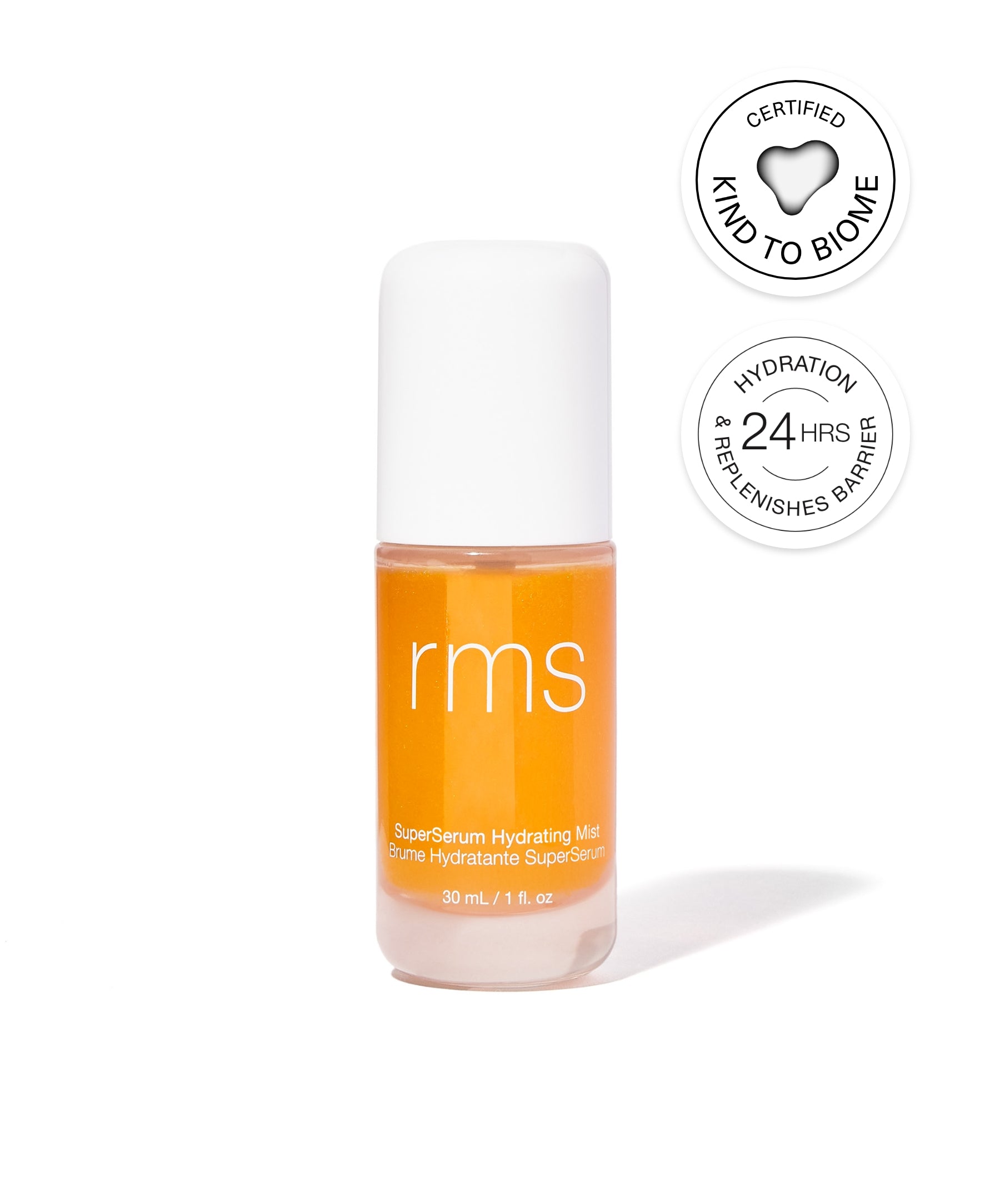
SuperSerum Hydrating Mist
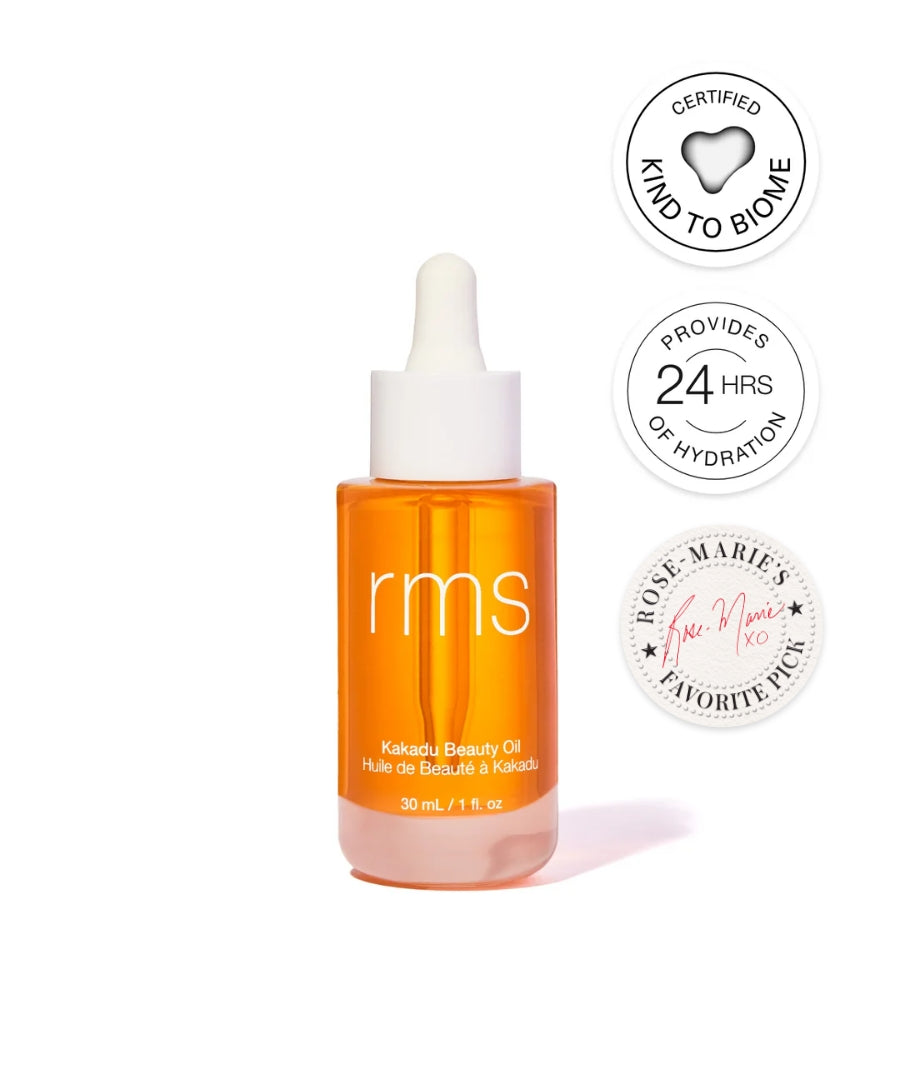
Kakadu Beauty Oil
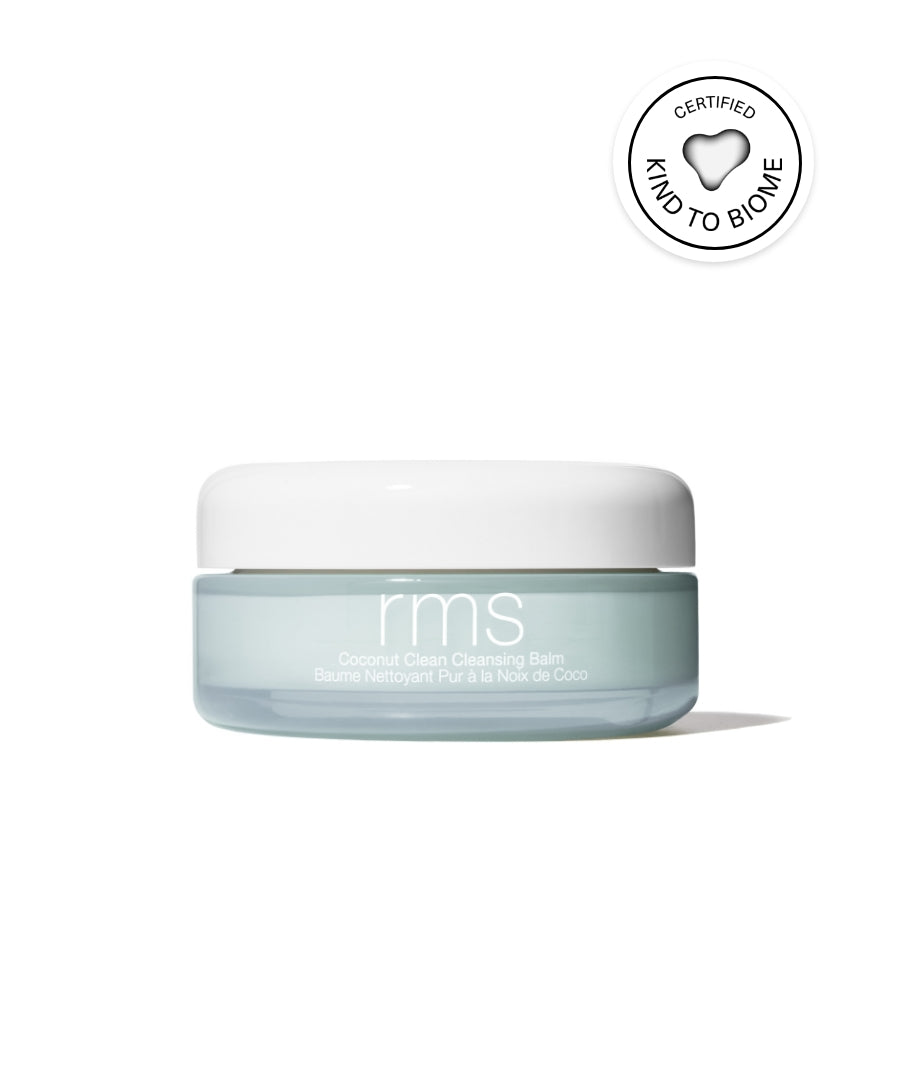
Coconut Clean Cleansing Balm