Skip to main content


Best Eyeshadow for Your Eye Color: Eyeshadow Color Theory
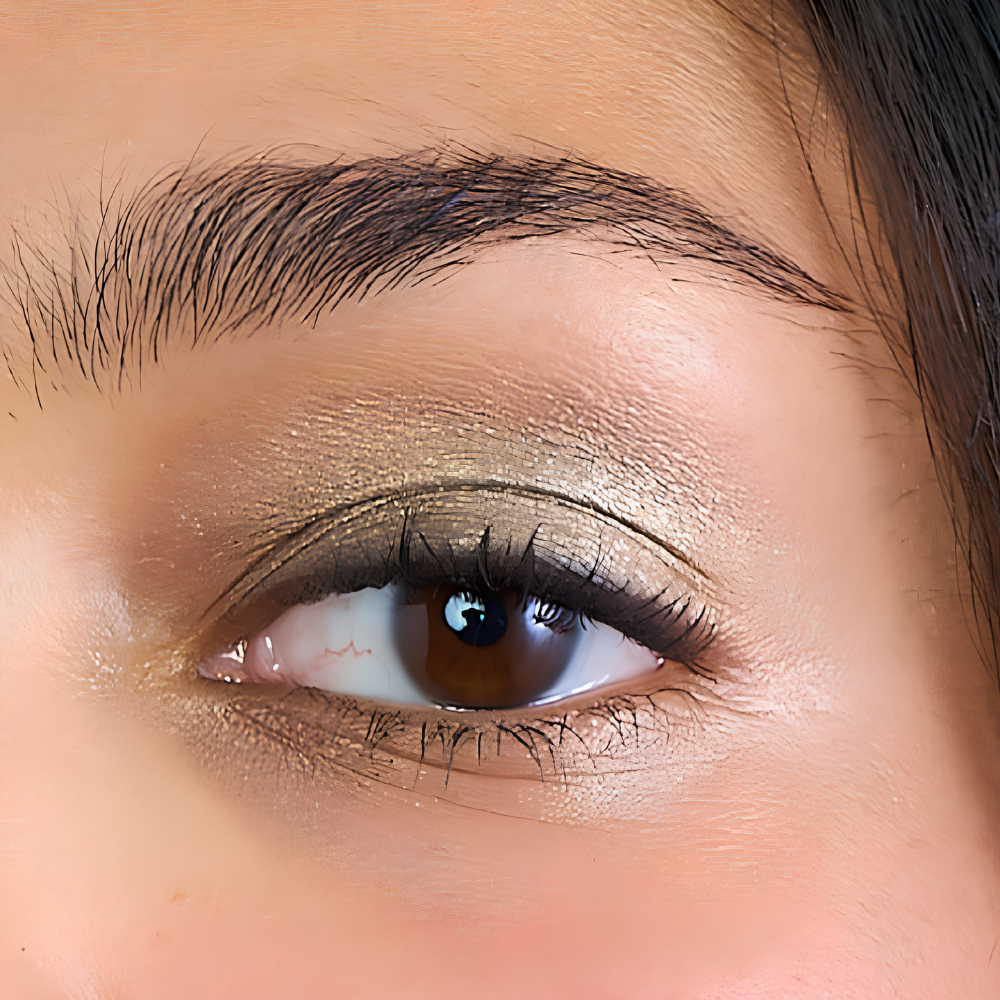
Every eye color has shades that make it come alive. Color theory, the same framework used in art and design, applies beautifully to makeup. Certain tones bring out the warmth in brown eyes, amplify the depth of blue, or make green eyes look almost electric. While there are no wrong choices when it comes to eyeshadow, understanding how color works together gives you a simple shortcut to making your eyes the focal point of any look. Consider this your practical guide to eyeshadow for eye color, eye shape, and everything in between.
How Eyeshadow Color Theory Works
Color theory in makeup is based on the color wheel. Colors positioned opposite each other on the wheel are called complementary colors, and when placed side by side, they intensify each other. Placing a complementary eyeshadow color near the iris makes the eye color appear more saturated and vibrant.
Complementary Colors in Practice
The principle is straightforward: what color eyeshadow should I wear depends on what sits across the color wheel from your iris.
- Blue eyes sit opposite warm oranges, coppers, and bronzes
- Green eyes sit opposite reds, plums, and warm purples
- Brown eyes are neutral and work with nearly every shade family
- Hazel eyes respond to both warm and cool tones, depending on the dominant color
Eyeshadow for Eye Color Guide
The chart below maps each eye color to the shades that create the most contrast and vibrancy.
| Eye Color | Best Eyeshadow Shades | Why These Work | Shades to Use With Caution |
|---|---|---|---|
| Blue | Copper, bronze, warm brown, peach, terra cotta | Warm tones sit opposite blue on the color wheel | Cool blues can wash out blue eyes |
| Green | Plum, mauve, burgundy, warm taupe, rose gold | Red-based tones make green eyes pop | Green eyeshadow can cancel out eye color |
| Brown | Gold, bronze, olive, plum, navy, teal | Brown eyes are versatile and contrast well with most shades | Very dark brown on dark eyes can reduce contrast |
| Hazel | Purple, gold, bronze, warm green, copper | Hazel eyes shift, so warm and cool tones both highlight | Flat neutrals can make hazel look muddy |
| Grey | Silver, charcoal, cool plum, soft pink | Cool tones complement the cool base of grey eyes | Overly warm shades can clash |
Best Shade for Red Eyes and Irritation-Prone Eyes
Sensitive or irritation-prone eyes require a different set of priorities. What makes green eyes pop or blue eyes vivid may not matter if the formula causes discomfort. The best shade for red eyes starts with a product that is ophthalmologist-tested and formulated without common irritants.
A creaseproof cream eyeshadow formulated with Organic Green Tea Extract, an antioxidant that soothes and helps defend against free radicals, and Peptide Quinoa Extract to smooth and firm the eyelid area, is ophthalmologist tested and lasts up to 8 hours without fallout, based on a consumer study on 30 individuals. For sensitive eyes, neutral and warm tones tend to be less irritating than vivid pigments.
Shades That Make Every Eye Color Pop
The chart above gives you the color families. Now, here's how those families translate into actual shades you can reach for.
Blue Eyes
Warm tones are your best friend. Copper, bronze, and terra cotta sit opposite blue on the color wheel, so they intensify the blue in your iris without competing with it. A luminous cream eyeshadow in Flare, a deep warm gold, adds richness and warmth that makes blue eyes read almost electric. Sunbeam, a golden coral with a hint of peach, is a beautiful everyday option. For a matte look, a creaseproof matte cream eyeshadow in Canyon Clay, a rustic brown-red, delivers the same warm contrast with a softer finish.
Green Eyes
Green is one of the rarest eye colors, and the shades that bring it alive are some of the most wearable. Any shade with a red or pink undertone works because red sits directly across from green on the color wheel. Spark, a bronzed plum with a hint of violet, creates a beautiful contrast without being dramatic. Mallo Coast, a dusty rose-mauve matte, is a gorgeous everyday shade for green eyes. For bolder evening looks, Aurora, a vibrant violet cream eyeshadow, intensifies green eyes under any lighting.
Brown Eyes
Brown eyes have the widest range to play with. Nearly every shade family creates contrast, so the real question is mood. Eclipse, a mossy silver, adds cool-toned depth, while Flare brings out golden undertones in darker brown eyes. For a softer matte option, Mossy Stone, an earthy saddle brown matte cream eyeshadow, grounds the eye beautifully. Plum and navy tones also brighten brown eyes, so Spark and Wildflower, a delicate pale lavender, are both worth trying.
Hazel Eyes
Hazel eyes shift between green, gold, and brown depending on the light, which means both warm and cool tones can highlight different flecks in the iris. Supernova, a sterling chocolate, pulls out the golden flecks, while Spark emphasizes the green. On the matte side, Dusty Trail, a tawny camel brown, warms hazel eyes up beautifully, and Mallo Coast plays up any green or grey undertones.
Grey Eyes
Cool tones complement the cool base of grey eyes without overpowering them. Blaze, a muted silvery mauve cream eyeshadow, picks up cool undertones and adds soft definition. Crystal Slipper, a sunkissed pink-buff with a soft golden glow, brightens grey eyes for daytime. For matte wearers, Mountain Mist, a cloudy silver-gray, and Desert Rose, a soft vintage pink, are both flattering picks that keep the look polished. All Eyelights and Cashmere Matte Eyelights formulas stay in place for up to 8 hours and never crease, based on a 7-day consumer study on 30 individuals.
Eyeshadow for Different Eye Shapes
Color is only half the equation. How eyeshadow is placed on the lid determines whether the look flatters your eye shape or works against it.
Placement by Eye Shape
- Almond eyes: Apply the deepest shade at the outer corner and blend through the crease. Most eyeshadow placement techniques are designed for almond eyes.
- Round eyes: Elongate with shadow concentrated at the outer corner, blended outward. Avoid heavy application in the center of the lid.
- Hooded eyes: Place color above the crease so the shade is visible when eyes are open. Apply with eyes open to check placement.
- Monolid eyes: Gradient application from lash line upward creates dimension. Apply color higher on the lid than you think you need to.
- Deep-set eyes: Light, luminous shades on the lid bring the eye forward. Avoid very dark colors all over the lid.
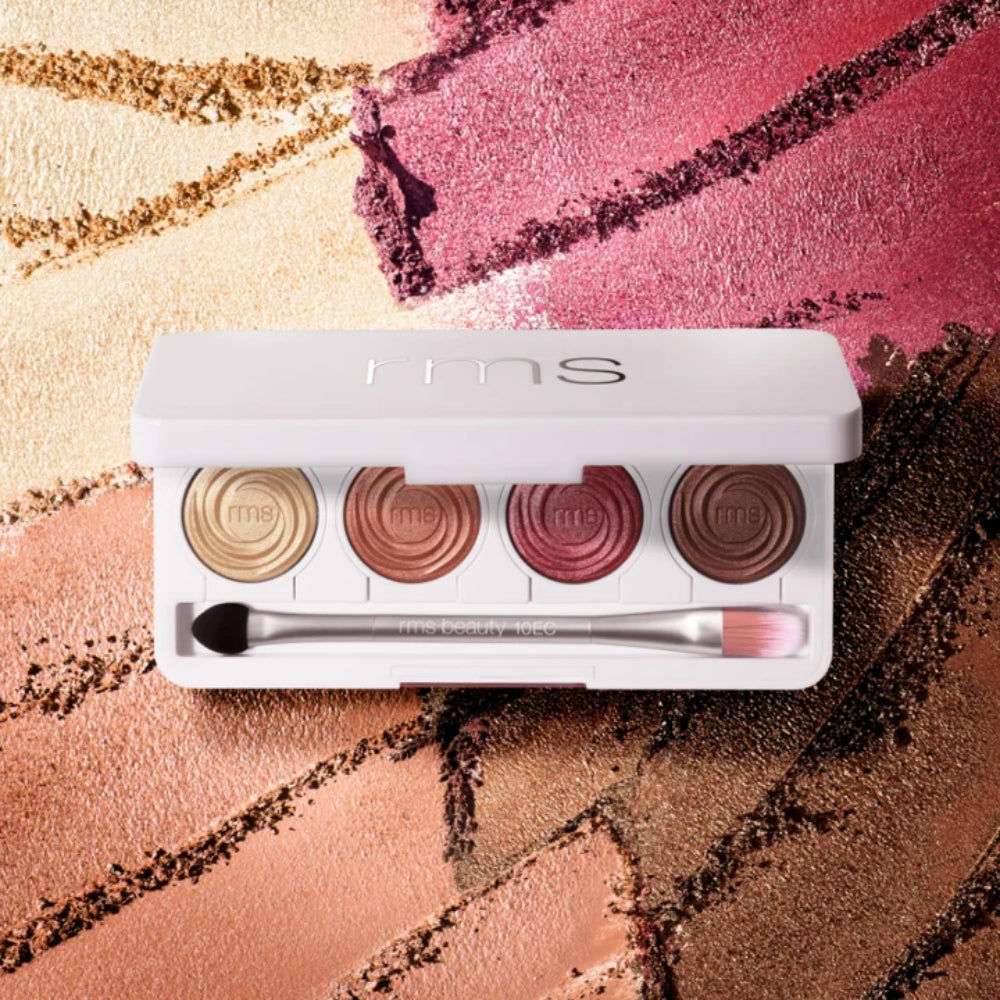
A multi-finish eyeshadow palette with matte, satin, and metallic shades in a single quad allows you to create dimension across any eye shape. Midnight Bloom combines deeper jewel tones for bold looks, while Wild Velvet offers warm, earthy tones for everyday wear.
How to Choose Eyeshadow Color for Your Routine
Here is how you can choose the right eyeshadow color.
Everyday Wear
Soft neutrals, warm taupes, and light bronzes work across all eye colors for daily looks. A vegan eyeshadow brush blends cream and powder shadows evenly for a natural, diffused finish.
Evening and Events
Deeper, more saturated versions of your complementary shades create impact for the evening. Layer matte shades in the crease with a metallic or luminous shade in the center of the lid. Defining the lash line with a creamy kohl pencil smudged along the upper and lower lash lines ties the eyeshadow to the lashes for a polished, complete look.
Final Thoughts
Eyeshadow color theory is not complicated once you know the principle: complementary colors on the color wheel make your eye color more vivid. RMS Beauty's ophthalmologist-tested, creaseproof eye formulas, made with skin-loving clean ingredients, give you the color range and lasting power to work with any eye color or shape. Shop the full eye collection at rmsbeauty.com.
FAQs
Q. What color eyeshadow should I wear for brown eyes?
Brown eyes are the most versatile. Gold, bronze, olive, plum, navy, and teal all create beautiful contrast against brown.
Q. Can I wear eyeshadow that matches my eye color?
You can, but matching your eye color directly tends to flatten it rather than enhance it. Complementary shades on the color wheel provide more vibrancy.
Q. What is the most universally flattering eyeshadow color?
Warm bronze and copper tones flatter nearly every eye color and skin tone. Soft warm brown is another safe choice for a natural, everyday look.
Q. Does skin tone affect eyeshadow color choice?
Skin tone influences how a shade appears once applied, but eye color determines which shades create the most contrast. Choose shades for your eye color first, then adjust intensity for your skin tone.
Q. How do I make my eyes look bigger with eyeshadow?
Apply a light, luminous shade to the center of the lid and the inner corner. Use deeper tones only at the outer corner and crease.
Q. Are cream or powder eyeshadows better for eye color enhancement?
Both work. Cream eyeshadows offer richer color payoff with a luminous finish, while powders allow more precise placement. Cream formulas are especially effective for making eye color pop due to their light-reflective properties.
Shop The Blog
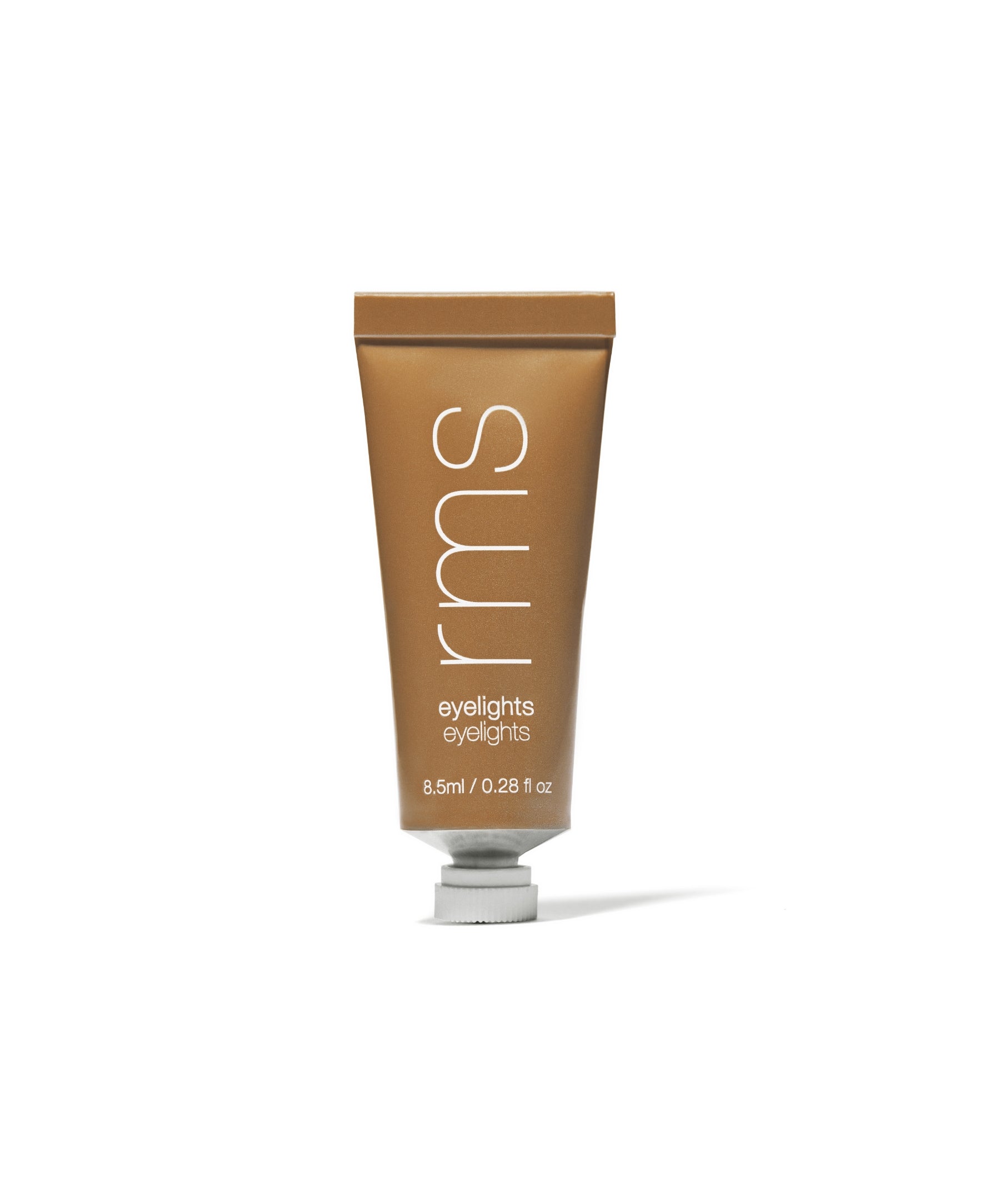
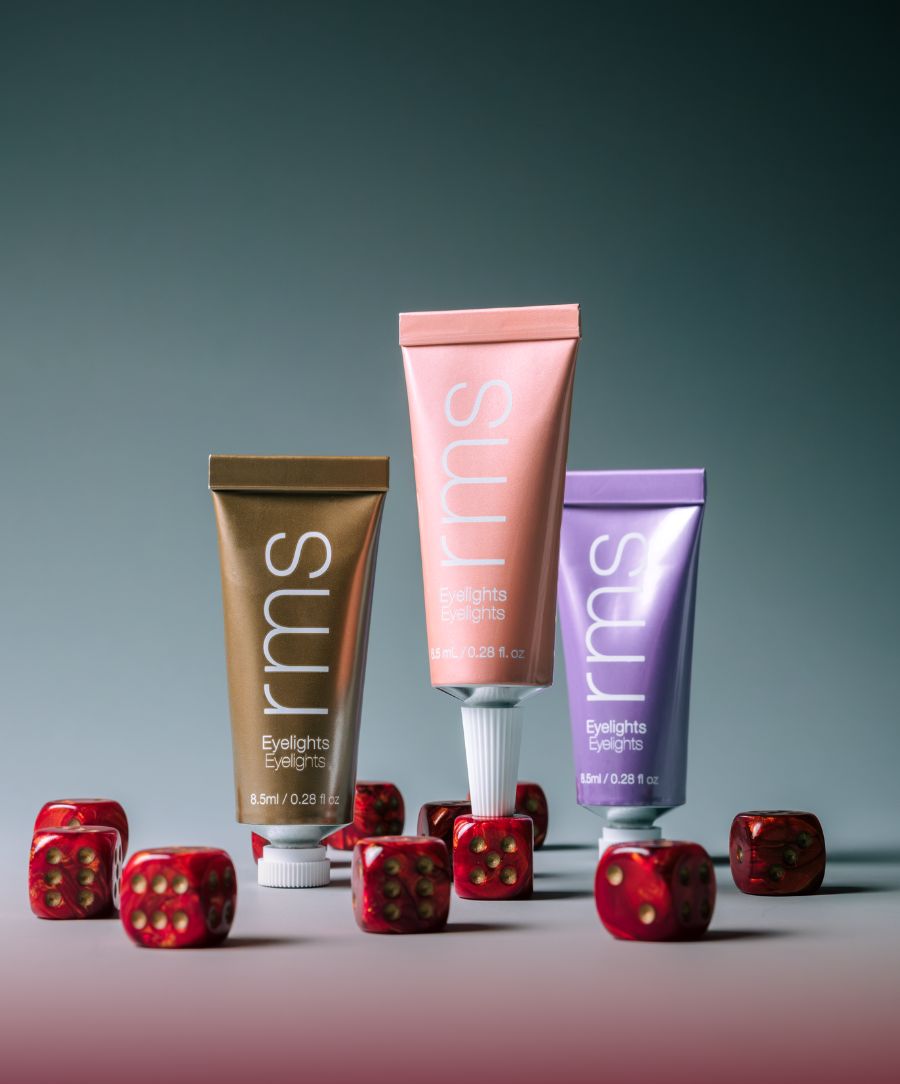
Eyelights Cream Eyeshadow


ReDimension Hydra Eyes Quartet
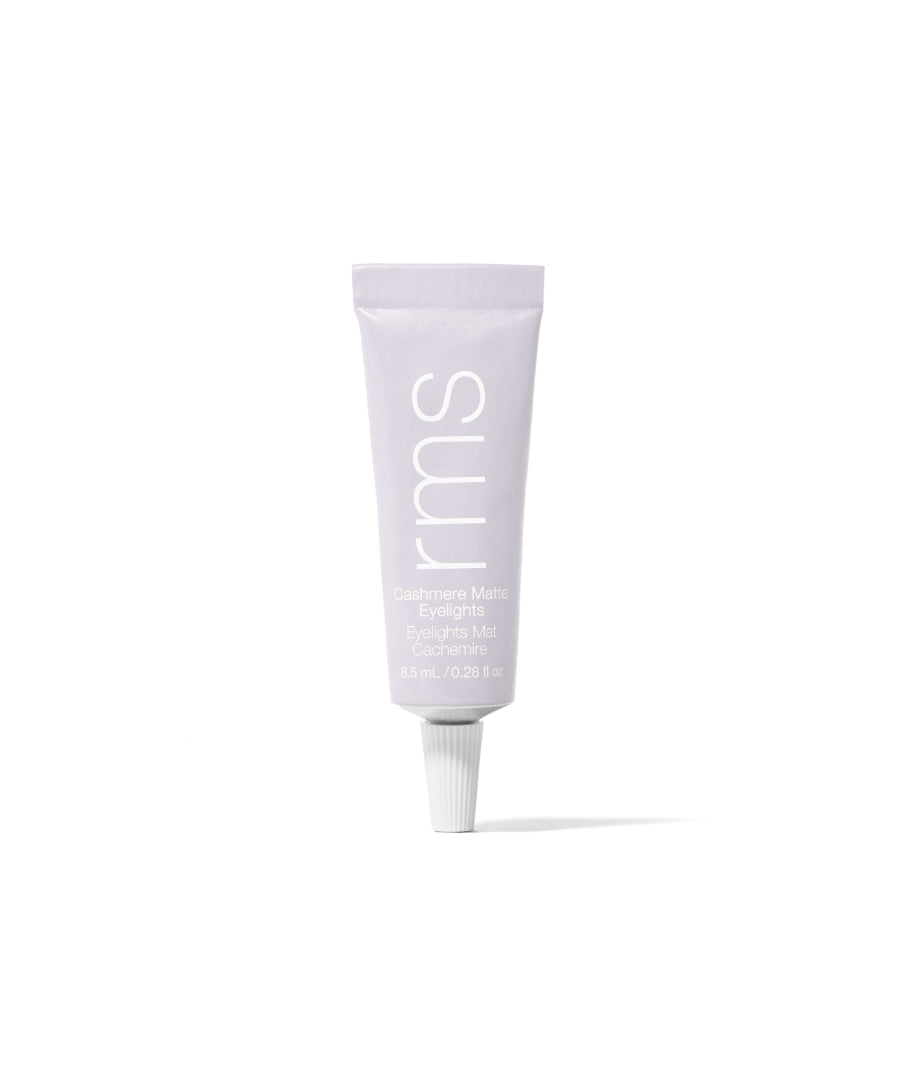
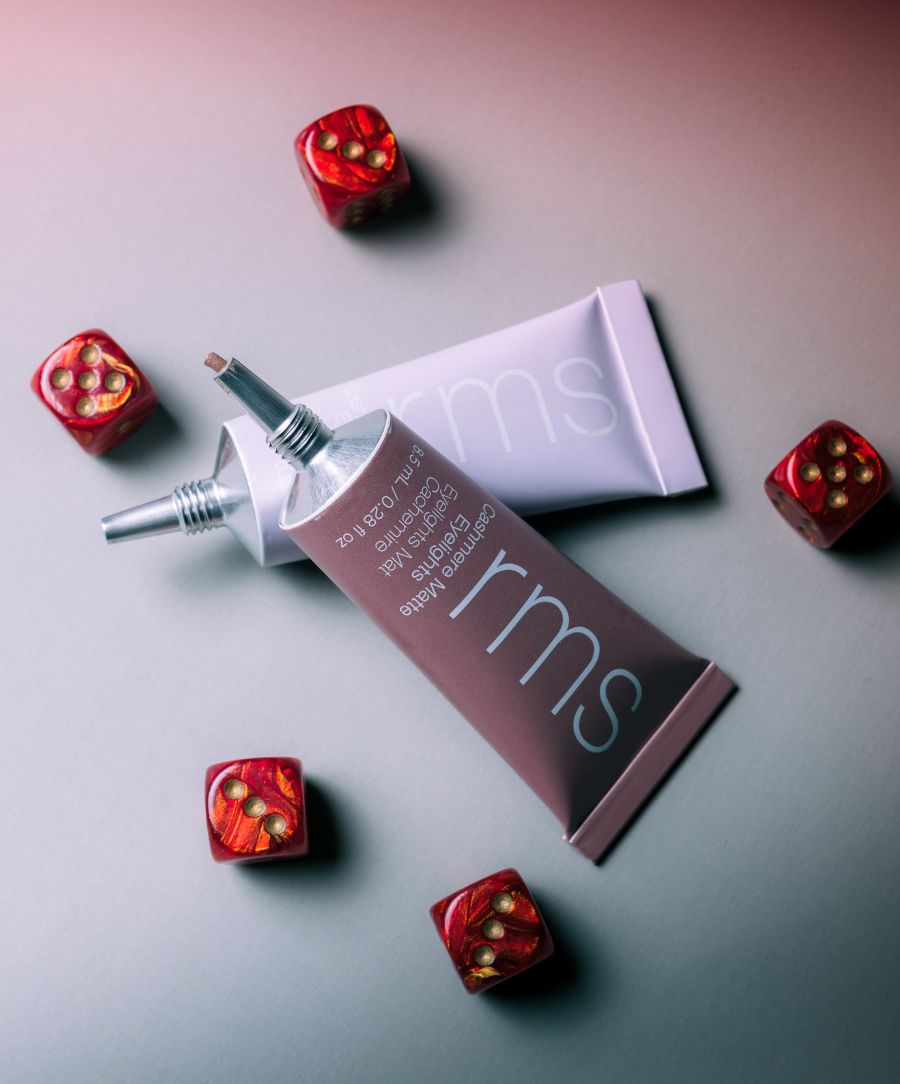
Cashmere Matte Eyelights